Maximum Slope For A Wheelchair Ramp
When it comes to creating an accessible environment, the maximum slope for a wheelchair ramp is one of the most important factors you need to get right. Read more
👉 Click here to check the latest prices on Maximum Slope For A Wheelchair Ramp
Why Slope Matters More Than You Think
Getting the slope right is not just about convenience – it’s a matter of safety and independence. A ramp that is too steep can be dangerous for wheelchair users, carers, and anyone with limited mobility. On the other hand, a well-designed slope allows smooth and effortless movement up and down, reducing strain and increasing confidence.
Here’s why the correct slope is so vital:
- Safety First: A safe slope reduces the risk of tipping, slipping, or losing control.
- Effortless Mobility: Proper gradient means users can ascend without excessive force or assistance.
- Compliance: Meeting accessibility standards ensures legal safety and building code approval.
- Future-Proofing: Designing with the right slope today saves costly adjustments tomorrow.

Recommended Slope Guidelines In The UK
While there’s no one-size-fits-all answer, UK guidelines offer clear recommendations for the maximum slope for a wheelchair ramp based on length and usage. These recommendations are designed to balance space, usability, and safety:
- Private or domestic use: A gradient of 1:12 is generally recommended. This means for every 1 inch of vertical rise, the ramp should be 12 inches long.
- Public or commercial ramps: A gentler slope is preferred – often 1:15 or even 1:20 – to accommodate all users safely and comply with building regulations.
- Short, portable ramps: These can be steeper (up to 1:10), but should only be used for low rises and with assistance.
How To Calculate The Right Ramp Slope
Calculating the ideal slope isn’t as complicated as it sounds. Here’s a simple formula to guide you:
Ramp Length = Height of rise × Slope Ratio
For example:
- A 30cm rise with a 1:12 slope requires a ramp at least 360cm (3.6m) long.
- The same 30cm rise at 1:20 slope would require a 600cm (6m) ramp.
While longer ramps take up more space, they provide a smoother and safer ride – particularly important for manual wheelchair users or those with limited strength.
👉 Click here to check the latest prices on Maximum Slope For A Wheelchair Ramp
Practical Tips For A Safe And Effective Ramp Design
Once you know the recommended slope, there are several other factors to consider to make your ramp both functional and user-friendly:
- Surface Material: Use non-slip surfaces, especially for outdoor ramps exposed to rain.
- Handrails: Essential for longer ramps, they provide additional support and confidence.
- Landing Areas: Ensure flat landings at the top and bottom for easier transitions.
- Width: A minimum width of 900mm is recommended for wheelchair users, but wider is often better.
- Edge Protection: Raised edges or kerbs help prevent wheels from slipping off.

Benefits Of Following Maximum Slope Standards
Investing time and effort into designing the right slope pays off in countless ways. Here’s what you gain by sticking to the recommended guidelines:
- Enhanced Safety: Reduces accidents and ensures reliable access for all users.
- Greater Independence: Users can navigate without assistance, promoting dignity and freedom.
- Better Compliance: Meets UK accessibility standards and avoids costly legal issues.
- Future Adaptability: Suitable for all types of mobility aids, from manual chairs to powered scooters.
Final Thoughts: Slope Is The Foundation Of Accessibility
The maximum slope for a wheelchair ramp is more than just a number – it’s a key factor in creating inclusive spaces where everyone can move freely and safely. Whether at home, work, or in public areas, paying attention to gradient details can make all the difference in accessibility and quality of life.
Remember, a safe ramp is a long-term investment in comfort, compliance, and care. Choose the right slope, use quality materials, and always prioritise user safety.
👉 Click here to check the latest prices on Maximum Slope For A Wheelchair Ramp

- 【Transition Plate & Non-slip Surface】The transition plates at the bottom of this ramp enhance its fit to the ground, minimizing the risk of slips and falls. The non-slip surface provides added traction, making it safe and stable for smooth and hassle-free transitions.
- 【Easy Folding & Portable Design】With its easy folding feature, the ramp can be folded into a compact size for space-saving and easy carrying. Take it with you wherever you go, ensuring accessibility wherever you need it.

- Supportec Portable Multi Use Folding Ramp - Available in a choice of 2ft, 3ft or 5ft lengths
- Provides easy assisted access into vehicles, doorways and other thresholds - Multi purpose design suitable for a range of uses - Textured tread is suitable for most wheelchairs and four wheeled mobility scooters

- VERSATILE USE: Suitable for multiple vehicles and mobility devices including cars, motorcycles, wheelchairs, bicycles, strollers, and trolleys
- PORTABLE DESIGN: Heavy-duty construction allows for easy transport and placement wherever needed for temporary or permanent accessibility solutions

- Supportec Portable Multi Use Folding Ramp - Available in a choice of 2ft, 3ft or 5ft lengths
- Provides easy assisted access into vehicles, doorways and other thresholds - Multi purpose design suitable for a range of uses - Textured tread is suitable for most wheelchairs and four wheeled mobility scooters
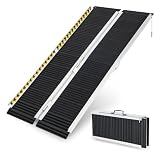
- 【Transition Plate & Non-slip Surface】The transition plates at the bottom of this ramp enhance its fit to the ground, minimizing the risk of slips and falls. The non-slip surface provides added traction, making it safe and stable for smooth and hassle-free transitions.
- 【Easy Folding & Portable Design】With its easy folding feature, the ramp can be folded into a compact size for space-saving and easy carrying. Take it with you wherever you go, ensuring accessibility wherever you need it.

- ▶2FT(61cm) Wheelchair Ramps are available for 5 cm-15 cm step heights only
- ▶ Note: Please refer to the buyer’s guide to select the wheel chair ramp for home steps size before purchasing; Please notice that it is normal for the long portable wheelchair ramp to sink during use, and it will rebound soon.Please do not exceed the maximum weight capacity of this wheelchair ramp 270 kg

- STABILITY YOU CAN TRUST - A solid 7 kg rubber kerb ramp that stays firmly in place even under turning tyres, offering long-term grip during rain, frost and sun - exactly what homeowners expect from rubber kerb ramps for cars built for daily use.
- SMOOTH ACCESS FOR VEHICLES - Street Solutions UK Set of 2 kerb ramps for driveways for cars match standard UK kerb height to stop scraping and noise, creating a gentle slope that works as a durable curb ramp for safer, quieter driveway entry.

- A pair of high-quality loading ramps.
- Made of galvanized steel and max loading to 400 kg, 200 kg per ramp.

- 3-Second Setup – No Tools, No Pins: Unlike traditional ramps that require loose pins or chains, our patented quick-lock latch lets you unfold a secure ramp in seconds—just pull apart until it clicks. Folds to a compact 60.96 cm × 36.83 cm × 5.08 cm and weighs only 5.4KG, easily fitting in your car trunk, closet, or RV storage
- 5.4KG Body,362.87KG Capacity – Aerospace Aluminum: Despite weighing just 5.44KG Body, this ramp supports a full 362.87KG. The built-in carrying handle makes it easy to move, while the high-strength aluminum frame provides exceptional strength-to-weight ratio for wheelchairs, scooters, and heavy cargo