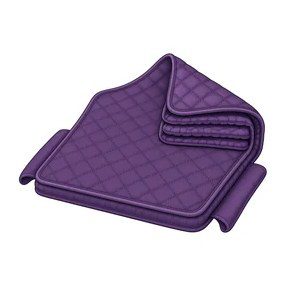
Aidapt Car Washable Incontinence Underpad
Verify the total absorbency capacity and the width of the waterproof backing layer.
Choosing the right incontinence care and underpads UK helps maintain comfort and hygiene for wheelchair users throughout the day.
Verify the total absorbency capacity and the width of the waterproof backing layer.
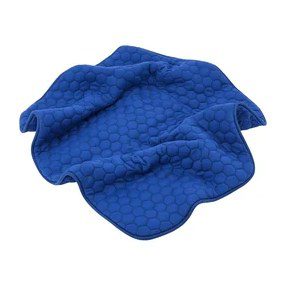
Check the length of the side flaps and the texture of the top surface fabric.
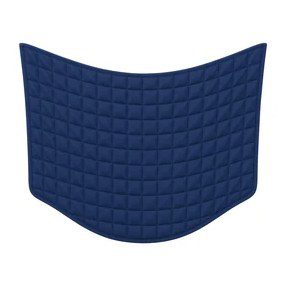
Confirm the density of the cotton weave and the presence of a non-slip base.
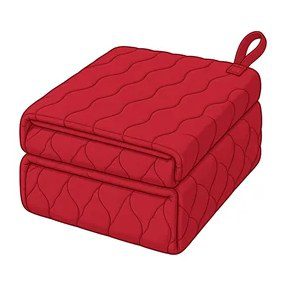
Examine the stitching pattern depth and the overall thickness of the core layers.
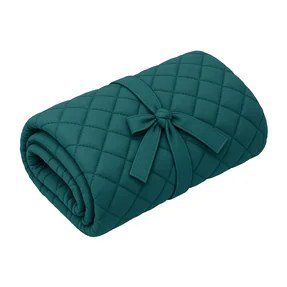
Ensure the wing span is sufficient for your chair frame and note the material durability.
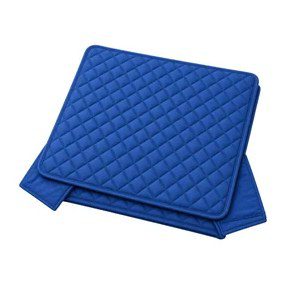
Check the total dimensions for mattress coverage and the moisture locking speed.
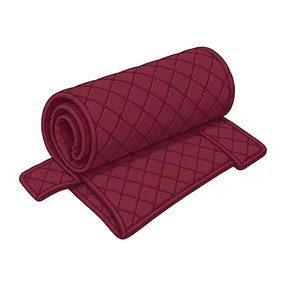
Verify the seat contour compatibility and the weight of the absorbent material.
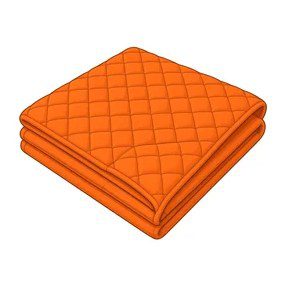
Assess the fluid retention capacity and the softness of the top layer finish.
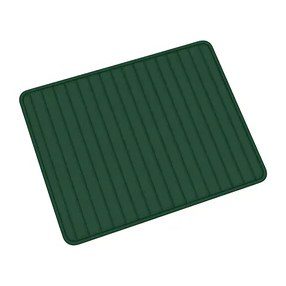
Look at the grip backing efficiency and the total surface area provided.
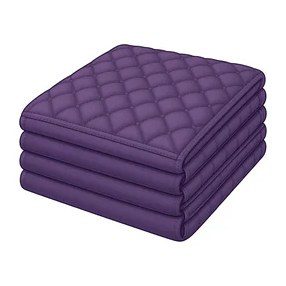
Check the fit against standard seat widths and the breathability of the backing.
To choose the right incontinence underpad, focus on the dimensions that fit your chair, the absorbency level required for your needs, and the presence of non-slip backing. Always check the listing for details on material durability and washability, ensuring the pad stays secure and comfortable during your daily activities.
When considering incontinence care and underpads UK, the primary focus remains on maintaining skin integrity and managing moisture effectively. These items are designed to act as a protective barrier between the user and their seating surface or bedding. You should ensure that the surface material is soft to the touch and that the inner layers are capable of holding liquid away from the body. Safety in this context relates to the ability of the product to prevent dampness from lingering against the skin. Always check the listing for details on material composition and moisture absorption capabilities. By prioritising products that offer efficient liquid distribution, you can better manage personal care routines. Proper selection ensures the product remains a functional tool for maintaining cleanliness during extended periods of sitting or resting in bed.
Effective use of incontinence supplies underpads requires careful placement to ensure maximum coverage. Begin by identifying the absorbent side of the pad, which should always face upwards towards the user. Position the pad centrally on the chair or bed, ensuring it covers the areas most likely to experience moisture. If you are using a pad with wings or tucks, secure these firmly under the seat cushion or mattress to prevent movement. It is helpful to smooth out any wrinkles or folds after placement, as these can cause discomfort. Regularly check the listing for instructions on orientation if the product features specific top and bottom sides. Consistent placement habits make the process faster and more reliable, helping you maintain a high standard of hygiene without unnecessary effort or frequent adjustments throughout the day.
Movement is a common challenge when using incontinence supplies underpads on smooth surfaces like wheelchair seats or leather chairs. To keep them stable, look for products that feature tuckable flaps or non-slip backing materials. Tucking the excess fabric firmly under the seat cushion is the most effective method for stationary chairs. For wheelchairs, ensure that the pad does not interfere with side guards or armrests, which could lead to bunching. Some users find that using a thin layer of grip material underneath the pad provides extra stability. Always check the listing to see if the item includes specific features like adhesive strips or winged edges designed for secure anchoring. Taking the time to properly anchor your protective layers prevents shifting, ensuring that you remain comfortable and dry during your daily activities.
Understanding the need for incontinence supplies underpads starts with acknowledging the common nature of bladder control challenges. Incontinence is a condition where an individual loses control over their bladder or bowel functions, necessitating the use of protective aids. One common type is stress incontinence, which occurs when physical movement or pressure, such as coughing or lifting, causes leakage. Another form is urge incontinence, characterised by a sudden, intense need to visit the toilet that is difficult to suppress. Finally, overflow incontinence happens when the bladder does not empty completely, leading to frequent small leaks. Regardless of the specific type, using high-quality underpads provides a practical way to manage these daily realities. These products offer peace of mind by protecting furniture and mobility equipment, allowing users to focus on their mobility and daily routine.
Selecting the correct dimensions for your protective pads is essential for effective coverage. A pad that is too small may leave gaps, while one that is too large might bunch up and cause irritation. Measure your wheelchair seat or the specific area of the bed where you spend the most time. Compare these measurements against the details found when you check the listing for various underpads. Consider whether you need a product that covers just the seat base or one that extends up the backrest for full coverage. For those who move frequently, a larger surface area is often more reliable. Ensure that your choice allows for easy transfers in and out of the chair, as bulky or ill-fitting pads can become a hindrance during movement or daily transfers.
The choice of fabric significantly impacts the longevity and comfort of your incontinence supplies underpads. Many options feature a quilted top layer designed to wick moisture away quickly, keeping the surface feeling dry. The middle layer is typically the absorbent core, while the base layer acts as a waterproof barrier to protect the chair or mattress underneath. Washable options are popular for their durability and long-term utility. When you check the listing, look for descriptions of the top layer softness and the thickness of the absorbent core. Some materials are designed to be low-profile, which is ideal for wheelchair use as it prevents the seat from feeling too thick or unstable. Choosing a high-quality, durable material ensures that the pad maintains its integrity through repeated wash cycles and daily use.
Proper care of your washable incontinence supplies underpads is vital for sustained hygiene and performance. Most washable pads are designed to be laundered alongside regular bedding, but you should always follow the specific washing instructions provided by the manufacturer. Avoid using heavy fabric softeners, as these can reduce the absorbency of the fabric layers over time. Ensure that the pads are dried thoroughly before reuse, as dampness trapped in the core can lead to odours. If you use multiple pads, rotate them regularly to allow for complete drying. When you check the listing, look for information regarding the number of wash cycles the product is expected to withstand. A well-maintained pad provides a consistent and reliable solution for managing incontinence, ensuring that your mobility aids remain clean and fresh for every use.
Deciding between disposable and reusable incontinence supplies underpads involves considering your lifestyle and specific needs. Reusable pads are a long-term solution that can be laundered and reused many times, offering a consistent surface texture. They are often preferred for their environmental impact and the ability to maintain a specific feel on the chair. Conversely, disposable options may be more convenient for travel or short-term use where laundry facilities are limited. When you check the listing, consider the thickness and the back-sheet material of each type. Reusable pads often provide a more secure grip on fabric surfaces, whereas disposables might have adhesive strips for temporary attachment. Evaluate your daily schedule and the frequency of use to determine which format best supports your comfort and mobility needs without requiring constant replacement or maintenance.
The frequency of replacement depends on the level of use and the capacity of the pad. It is best to change the pad as soon as it becomes damp to maintain skin comfort. Always check the listing for the manufacturer's advice on longevity and care.
Most pads are designed to be universal, but you should measure your seat first. Ensure the pad size matches your chair dimensions to avoid bunching. Check the listing to see if the pad is suited for specific chair types or materials.
Yes, they can be placed on top of most wheelchair cushions. Choose a thin, low-profile pad to ensure it does not affect your seated position. Look for options with tuckable flaps to keep the pad stable against the cushion surface.
Washable pads are often preferred for daily use due to their durability and long-term value. They provide a consistent texture and are generally more eco-friendly. Disposable options offer convenience for travel or situations where you cannot wash items easily.
Follow the specific washing instructions provided in the product details. Generally, they can be machine washed, but avoid harsh softeners that might reduce absorbency. Ensure they are fully dry before placing them back on your chair or bed.
Use pads with wings or tuckable flaps to secure them under your seat cushion or mattress. For surfaces where this is not possible, consider using a non-slip grip mat underneath. Always check the listing for specific attachment features included with the product.