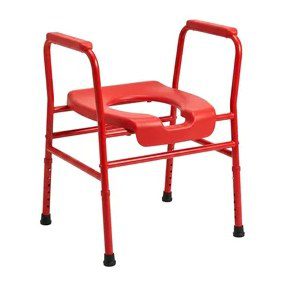
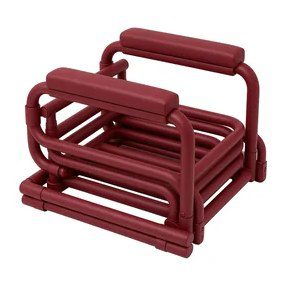
Aidapt Bathroom Surround Frame
A wide surround with armrests suits users who need steady support on both sides of the toilet.
A bathroom frame gives firm handholds around the toilet or bath, making it easier to sit, stand and move safely in the bathroom. Our overall pick is the Aidapt Bathroom Surround Frame, a sturdy frame with armrests that fits around most standard toilets.
The right bathroom frame depends on where support is needed and how much space you have. A bathroom toilet frame stands around the toilet with two armrests, giving something to push on when standing and lower onto when sitting. A bathroom surround frame does the same but often has a wider base for extra steadiness. A freestanding bathroom frame needs no fixings, so it suits rented homes. A bathroom toilet seat frame combines a raised seat with arms, adding height and support together. A bathroom rail frame or bathroom grab frame gives a single handhold beside the toilet or bath. A bathroom bariatric frame offers a higher weight limit and wider arms. Note whether the user struggles more with sitting or standing, then pick the frame that supports that movement best.
The table shows who each bathroom frame suits and the type stated in its listing. Measure the space around the toilet first, then armrest height.
| Product | Good Choice For | Key Detail |
|---|---|---|
| Aidapt Bathroom Surround Frame | Two sided support | Surround frame |
| Aidapt Freestanding Bathroom Frame | Rented home users | Freestanding frame |
| Homecraft Bathroom Rail Frame | Single handhold needs | Rail frame |
| Homecraft Bathroom Grab Frame | Compact space users | Grab frame |
| Coopers Bathroom Toilet Seat Frame | Height and support | Toilet seat frame |
| Coopers Bathroom Support Frame | Simple daily support | Support frame |
| Etac Bathroom Bariatric Frame | Larger users | Bariatric frame |
| Etac Bathroom Toilet Frame | Two handed pushers | Toilet frame |
| NRS Healthcare Bathroom Toilet Frame | Exact height needs | Toilet frame |
| Drive Medical Bathroom Toilet Frame | Carers setting up | Toilet frame |
To measure for a bathroom frame, check the width around the toilet, the space in front of it and the user’s preferred armrest height. Measure the distance from the toilet to any wall, basin or bath on each side in cm, because the frame legs need room to stand flat. Then measure the width of the frame in each listing and make sure it fits with a few cm spare. For armrest height, ask the user to sit on a chair of similar height to the toilet and measure from the floor to just below the elbow with arms relaxed. Many frames adjust in steps, so choose one whose range covers that figure. If the toilet has pipes or a pedestal base that sits wide, check the frame legs clear them. Writing these measurements down before you shop makes comparing frames much quicker.
Freestanding bathroom frames are steady for most users when correctly adjusted, but frames fixed to the floor or wall give the firmest support for people who lean heavily. Freestanding frames rely on rubber feet and a wide base, and good designs barely move under normal use. They are useful where drilling is not allowed or when the frame is only needed for a while. Fixed frames and wall rails are better for users who push hard sideways or have poor balance. Some freestanding frames can be fixed later if needed. When comparing, check the maximum user weight in kg and the width of the base in each listing; a wider base is usually steadier. Press firmly on one armrest after setting up: if the frame lifts or tilts, adjust the legs or consider a fixed option.
A toilet frame is set up safely when all four feet sit flat on the floor, the armrests are level and at the right height, and the frame does not rock when weight is applied. Start by placing the frame around the toilet with the open side facing forwards, so the user can sit down between the arms. Adjust each leg to the same setting so the armrests are level, then check the height suits the user, roughly just below elbow height when seated. Make sure rubber feet are clean and in good condition, because worn feet can slide on a wet floor. Press down firmly on each armrest in turn and watch for any movement. If the bathroom floor slopes, adjust legs individually until the frame sits level. Keep the floor around the frame dry and clear of mats that could catch a foot. Check bolts and push buttons weekly, and replace any worn feet straight away.
Start by measuring the space around the toilet and the user’s armrest height. Choose a toilet frame that fits the space, adjusts to the right height and has a user weight limit with a clear margin.
Toilet frames are often supplied through the NHS or local council after an occupational therapy assessment. Ask your GP or social services for a referral, and they can suggest the right type and height.
The weight a toilet frame can hold varies by model, so check the maximum user weight in kg in the listing. Bariatric frames are available for users who need extra capacity.
Wipe the frame and armrests with warm soapy water or a bathroom disinfectant, paying attention to joints and feet. Dry it fully to keep metal parts in good condition.
Disabled people and those with a long term illness can usually buy a toilet frame without VAT if it is for their own personal use. You normally sign a short declaration when ordering.
A wide surround with armrests suits users who need steady support on both sides of the toilet.
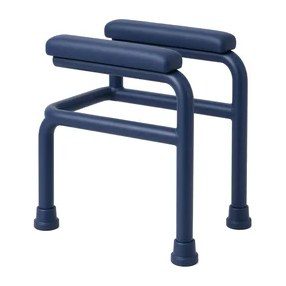
Needing no fixings, this suits rented homes or users who only need support for a while.
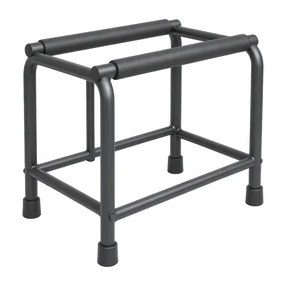
A single rail beside the toilet or bath suits users who need one firm handhold.
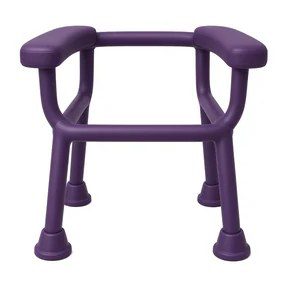
Grab handles suit users wanting a compact support that takes up little floor space.
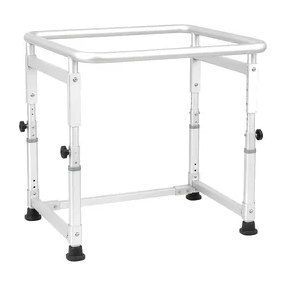
Combining a raised seat and arms, this suits users who need extra height and support together.
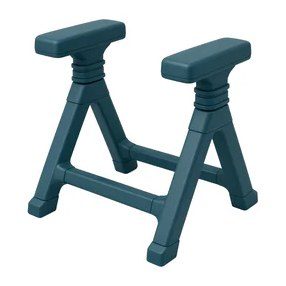
A general support frame suits users who want simple help sitting and standing.
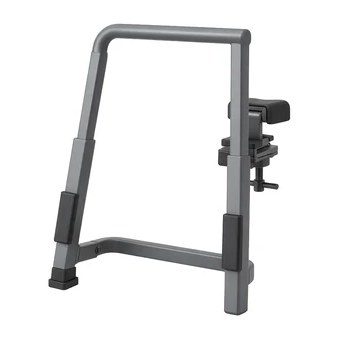
Two armrests around the toilet suit users who push up with both hands.
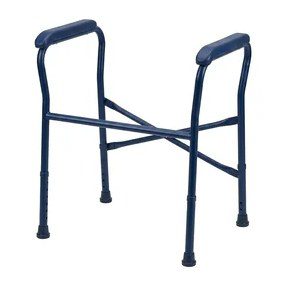
Adjustable legs suit users who need the armrests set to an exact height.
A sturdy toilet frame suits carers setting up a bathroom quickly for a family member.