How To Build A Handicap Ramp
If you’re wondering how to build a handicap ramp, Read more
Click here to check the latest prices on How To Build A Handicap Ramp.
Why Building A Handicap Ramp Is A Great Idea
Creating a handicap ramp is about more than just meeting accessibility standards. It’s about inclusivity, comfort, and ease of movement. Whether it’s for your home, business, or community building, a ramp removes barriers and provides independence. Plus, it’s a rewarding DIY project that can be both practical and life-changing.
- Enhanced independence: Allows wheelchair users to enter and exit without assistance.
- Safety for all ages: Great for parents with strollers or people with temporary injuries.
- Increased property value: Homes with accessibility features are more desirable.
- Compliance with accessibility laws: Especially useful for public buildings or rental properties.
Planning The Perfect Handicap Ramp
Before you start building, it’s crucial to plan carefully. The right slope, materials, and design can make all the difference. Typically, the recommended slope ratio for a safe wheelchair ramp is 1:12 – meaning for every inch of rise, you’ll need 12 inches of ramp length.
Here’s a quick checklist to guide your planning process:
- Measure the total height from the ground to the entry point.
- Decide the type of ramp – permanent wooden, aluminium, or modular metal ramp.
- Ensure there’s enough space for smooth turning and entry.
- Include handrails for added safety.
- Check local regulations for building permits or accessibility requirements.
Choosing The Best Materials For Your Ramp
Your choice of material will determine the strength, durability, and maintenance level of your ramp. Aluminium and treated timber are among the most popular options.
- Aluminium ramps: Lightweight, rust-resistant, and easy to install.
- Wooden ramps: Affordable, natural-looking, but require sealing and maintenance.
- Steel ramps: Strong and durable, ideal for heavy-duty use, though they can rust if not coated properly.
- Rubber threshold ramps: Perfect for small rises like doorways or curbs.
For those who prefer not to build from scratch, modular ramp kits are available and can be easily assembled at home.
Click here to check the latest prices on How To Build A Handicap Ramp and explore different kit options and materials.
Step-By-Step: How To Build A Handicap Ramp
Here’s a simple outline to get you started on building your own handicap ramp:
- Step 1: Measure the height and calculate the total ramp length needed.
- Step 2: Mark the area and prepare the foundation.
- Step 3: Build a solid frame using weather-treated wood or aluminium.
- Step 4: Install the surface boards or panels securely.
- Step 5: Add railings or side guards for safety.
- Step 6: Test the slope for smooth movement and adjust if needed.
Remember, always double-check the gradient and stability. It’s better to have a slightly longer ramp than one that’s too steep. Safety and comfort are key when it comes to accessibility.
Benefits Of A Properly Built Handicap Ramp
When done correctly, a handicap ramp adds more than convenience — it adds dignity and independence. Here’s why it’s a worthwhile investment:
- Freedom of movement: No more worrying about stairs or uneven ground.
- Better quality of life: Easy access means more outdoor time and social engagement.
- Emergency access: Faster and safer evacuation routes during emergencies.
- Inclusive design: Welcomes visitors of all mobility levels with ease.
Maintenance Tips For Long-Lasting Performance
Once your ramp is ready, keeping it in top shape ensures long-term safety. Here are some quick maintenance tips:
- Check for loose screws or bolts regularly.
- Clean the ramp surface to prevent dirt or algae build-up.
- Use non-slip coatings or mats to prevent accidents in wet weather.
- Reapply wood sealant every year if using timber.
Simple maintenance ensures your ramp remains safe, sturdy, and visually appealing all year round.
Final Thoughts On Building A Handicap Ramp
Learning how to build a handicap ramp is a valuable project that helps make your space inclusive and welcoming. With the right planning, materials, and a bit of effort, you can create a durable ramp that offers safety, comfort, and independence for years to come.
Click here to check the latest prices on How To Build A Handicap Ramp and start your project today!

- Heavy-Duty 200kg Loading Ramp: Built from strong Q195 galvanised steel, this heavy duty loading ramp supports up to 200kg static weight, making it ideal for motorbike ramps for vans, mobility scooters, ATVs, trolleys, lawn mowers and garden machinery.
- Multi-Purpose Access Ramp: Perfect as a mobility scooter ramp, motorcycle loading ramp, bike ramp, trolley ramp, van ramp or general equipment ramp, offering safe and reliable access for a wide range of household and commercial tasks.

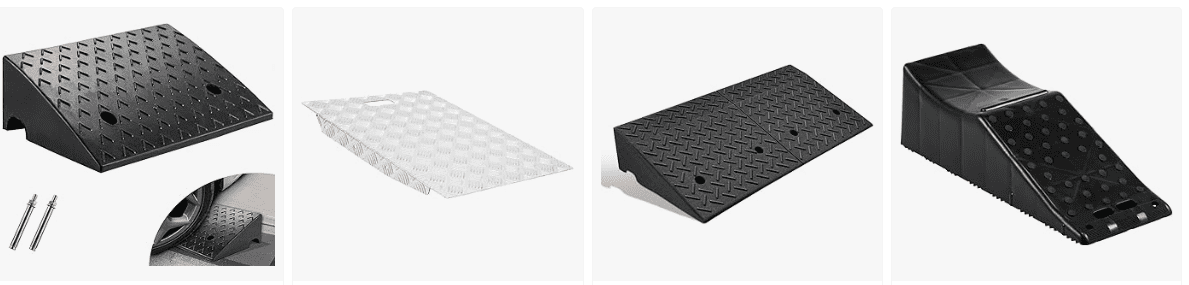
- Size - This 5cm / 1.97" rubber threshold ramp is 50mm x 500mm x 1000mm x 11.8kg. The threshold ramp offers a capacity of 1000kg
- Suitability - Built to a 1:10 gradient to provide wheelchairs, scooters and walkers smooth access over steps, kerbs, thresholds and doorways

- Heavy-Duty Loading Ramp – Built from Q195 galvanized steel, each ramp supports up to 200kg static weight, making it perfect for motorbike ramps for vans, ATVs, mobility scooters, and more.
- Versatile Use – Ideal as a ramp for mobility scooters, motorcycle ramps, bike ramps, van ramps, and even car ramps. Great for loading lawn mowers, tractors, and motorized equipment.

- Versatile usage: suitable for different slopes, this ramp can be used in multiple scenarios such as door thresholds, curbs, and ramps,curb camp,portable car ramp
- Adaptable to various slopes: this ramp is designed to handle different inclines, making it suitable for a wide range of applications, from doorways to sidewalks,driveway curb ramp,wheelchair ramps

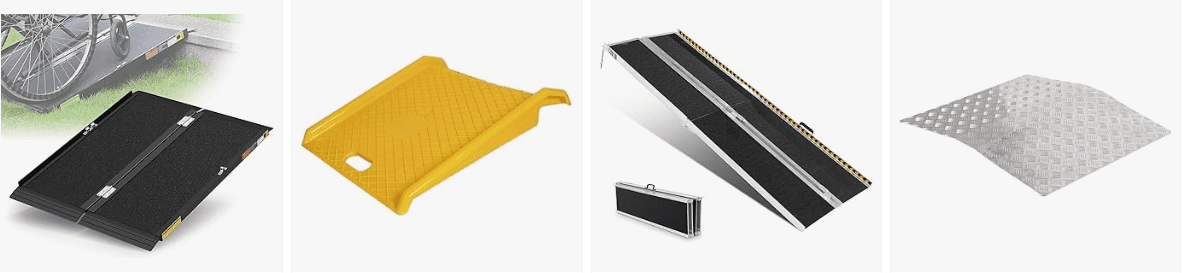
- Easy Access: This threshold ramp (7.7 in W x 34.0 in L x 1 in H) makes thresholds and curbs a breeze. Wheelchairs, scooters, carts, or bikes roll over smoothly without bumps
- Heavy-Duty Load: Built from 6063-T5 aircraft aluminum with a solid 2 mm core, this door threshold ramp supports up to 800 lbs. It stays steady under heavy wheelchairs, carts, or gear

- Specification - Pair of rubber ramps, each ramp is 100mm x 800mm x 500mm x 19.9kg. When placed side by side the ramps cover a width of 1m
- Mobility friendly - Built to a 1:8 gradient to provide wheelchairs, scooters and walkers with a smooth gradient when overcoming steps, kerbs and thresholds

- 【Portable Access Solution】Designed for wheelchairs, mobility scooters, walkers and pushchairs, this 3FT threshold ramp helps create smoother access over doorways, steps, kerbs and raised entrances at home or in practical public settings.
- 【Anti-Slip Ramp Surface】The textured black surface helps improve grip during use, giving wheels and walking aids steadier contact when moving up or down the ramp. Raised side edges also help guide movement for added reassurance.

- Supportec Portable Multi Use Folding Ramp - Available in a choice of 2ft, 3ft or 5ft lengths
- Provides easy assisted access into vehicles, doorways and other thresholds - Multi purpose design suitable for a range of uses - Textured tread is suitable for most wheelchairs and four wheeled mobility scooters

- Multi-Vehicle Access Solution: These kerb ramps are ideal for lowered cars, SUVs, vans, mobility scooters, wheelchairs, bikes, motorcycles, and hand trucks, making wheelchair ramp a versatile choice for overcoming curbs, steps, and elevated surfaces.
- Heavy-Duty & Long-Lasting Construction: Built from industrial-grade reinforced rubber/PP compound, these car ramps are engineered for durability and high weight capacity. The kerb ramp of robust material resists weathering, cracking, and compression.

- Supportec Portable Multi Use Folding Ramp - Available in a choice of 2ft, 3ft or 5ft lengths
- Provides easy assisted access into vehicles, doorways and other thresholds - Multi purpose design suitable for a range of uses - Textured tread is suitable for most wheelchairs and four wheeled mobility scooters