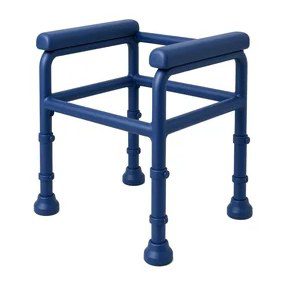
Aidapt Freestanding Toilet Armrest
A freestanding frame suits renters and anyone who cannot drill, standing around the toilet with support on both sides.
A toilet armrest gives you something firm to push on as you sit down and stand up from the toilet, which takes strain off weak knees and hips. The best type depends on your toilet shape, the space around it and whether the rest needs to fold away for other people in the home.
The right toilet armrest depends on how much space you have and whether you can drill the walls. A freestanding toilet armrest is a frame with two arms that stands around the toilet on adjustable legs, so it needs no fixing and suits rented homes. A clamp-on toilet armrest bolts to the pan using the toilet seat fixings, which keeps the floor clear. Wall mounted and drop down arms fix to the wall beside the toilet and fold up when not needed, ideal for shared bathrooms. To compare, measure the width across the toilet pan, the gap from each side of the pan to the nearest wall or basin, and the floor space in front, all in cm. Note whether the wall is solid brick or stud. An occupational therapist can visit to suggest the best layout, and your council may fit wall arms for you after an assessment.
The table shows who each toilet armrest suits and one detail from its listing, such as padding or a fold up design. Measure your toilet pan width and the gap to each side wall first.
| Product | Good Choice For | Key Detail |
|---|---|---|
| Aidapt Freestanding Toilet Armrest | Renters | Freestanding frame |
| Aidapt Fold-up Toilet Armrest | Shared bathrooms | Fold up arms |
| NRS Healthcare Clamp-on Toilet Armrest | Clear floor space | Clamp on fitting |
| NRS Healthcare Padded Toilet Armrest | Sore hands | Padded arms |
| Drive Medical Wall-mounted Toilet Armrest | Firm push up support | Wall mounted |
| Drive Medical Bariatric Toilet Armrest | Larger users | Bariatric frame |
| Homecraft Drop-down Toilet Armrest | Side transfers | Drop down arm |
| Homecraft Aluminium Toilet Armrest | Easy moving | Aluminium frame |
| Coopers Toilet Armrest | Everyday support | Toilet armrest |
| Careco Toilet Armrest | Main bathrooms | Toilet armrest |
A toilet armrest should sit roughly level with your wrists when you stand with arms relaxed, so you can push down with straight elbows as you rise. Most freestanding frames adjust in height using push buttons on each leg. If the arms are too low, you will lean forward too far; too high and you lose leverage. Measure from the floor to your wrist crease while standing, then compare that with the height range in each listing. If your toilet is low, a raised toilet seat used with armrests often helps most, since it reduces how far you sit down. Padded arms are kinder on sore hands and forearms. An occupational therapist or GP can advise on toilet height, raised seats and how much support you need, especially after a hip or knee replacement when bending is limited for a time.
Fold up and drop down toilet armrests are worth it when other people share the bathroom or space beside the toilet is tight. They lift out of the way when not needed, then lower to give firm support at each visit. Wall fixed arms are usually the steadiest option because they take load straight into the wall. They do need solid fixings, so ask a fitter to check the wall first. For freestanding frames, a fold up design helps with cleaning and storage. To compare, measure the distance from the centre of the toilet to the side wall in cm, since many wall arms suit a gap of around 40 to 50 cm. If you use a wheelchair, a drop down arm on the transfer side keeps the way clear. An occupational therapist or the wheelchair service can help plan the transfer side.
Using a toilet armrest safely starts with checking it is stable every day. For freestanding frames, make sure all four feet touch the floor and the height buttons are fully clicked through. For clamp on and wall arms, check the fixings have not loosened. To sit, back up until you feel the toilet against your legs, place both hands on the arms and lower yourself slowly with your weight shared between them. To stand, shuffle forward a little, place your feet slightly apart and push down through both arms with straight elbows. Avoid pulling on a towel rail, basin or toilet roll holder, as these are not built to hold your weight. Keep the floor dry and clear of mats that slide. A night light helps with visits in the dark. If you still struggle to rise, a raised toilet seat or toilet frame combination may help, and an occupational therapist or GP can assess what else would make the bathroom safer.
Freestanding toilet armrests fit most toilets because they stand around the pan rather than fixing to it. Clamp-on models need standard seat fixing holes. Measure the pan width and the space each side in cm, then check each toilet armrest listing before buying.
Each toilet armrest has a maximum user weight shown in kg in the listing. Bariatric frames are built wider and stronger for higher weights. Choose a rating well above your weight, as pushing up from sitting puts extra force through the arms.
A toilet armrest gives support on both sides, which many people find steadier than a single grab rail. A grab rail suits those who prefer to push from one side. An occupational therapist can watch you use the toilet and suggest which works suits you.
A clamp-on toilet armrest usually fits by removing the toilet seat, placing the armrest bracket over the seat fixing holes, then refitting the seat on top. Tighten the fixings firmly and check for movement before use. If unsure, ask a handyperson or your council equipment service.
Toilet armrests and frames are often supplied free through your council or NHS community equipment service after an occupational therapist assessment. Ask your GP for a referral or contact adult social care. Waits vary, so some people buy one meanwhile.
A freestanding frame suits renters and anyone who cannot drill, standing around the toilet with support on both sides.
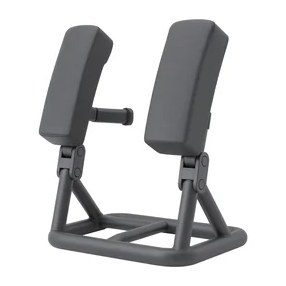
Shared bathrooms suit this fold up design, which lifts away when other family members use the toilet.
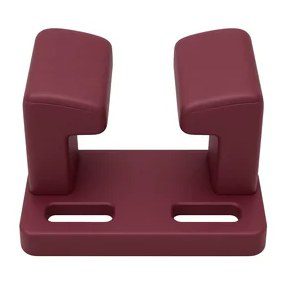
Keeping the floor clear is easier with this clamp on design, which fixes using the toilet seat bolts.
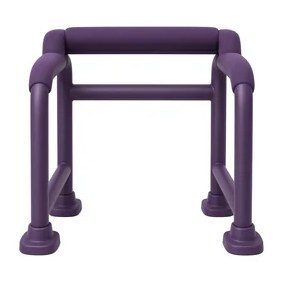
Soft padded arms make this a comfortable choice for people with sore hands or thin skin on the forearms.
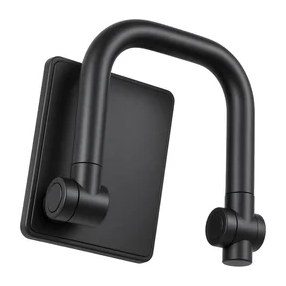
Wall fixing gives this one a very firm feel, suiting people who push up with most of their weight.
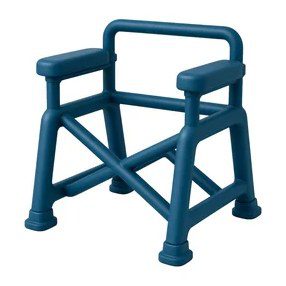
Larger users who need a wider frame and higher weight rating should look at this bariatric version.
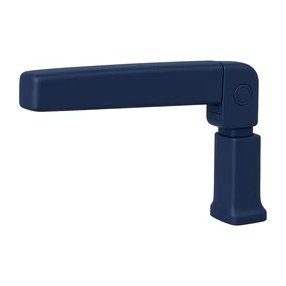
Wheelchair users transferring from the side may like this drop down arm, which lifts clear of the way.
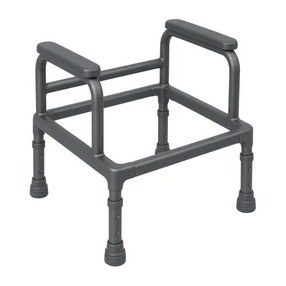
Light aluminium construction makes this frame easy for carers to move when cleaning around the toilet.
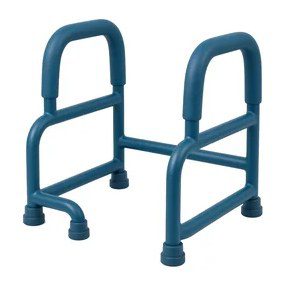
This simple option suits people who want steady support for sitting and standing without fuss.
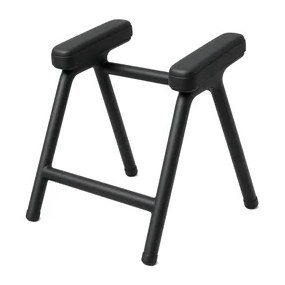
Anyone after an everyday frame for a downstairs or main bathroom could start with this model.