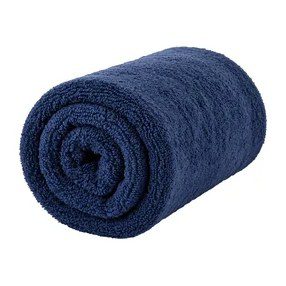
Shower Towel
Ideal for daily use by wheelchair users who need a reliable, soft surface after washing.
A good shower towel should absorb water quickly and feel soft on sensitive skin. Choosing the right material and size can make daily hygiene easier for anyone with limited mobility.
Cotton fibres typically offer the highest absorbency while remaining gentle on delicate skin, making them a reliable choice for most users. Measure the towel’s weight per square metre; a higher gramage usually indicates greater water-holding capacity. Compare this figure with synthetic options, which may dry faster but can feel less plush. For wheelchair users, a towel that stays in place on a bench is useful, so consider adding a loop or hook for easy hanging.
The table lists material, size and drying speed for each towel, helping you spot the features that matter most. Start by measuring the space you have for storage and note any special requirements such as quick drying.
| Product | Good Choice For | Key Detail |
|---|---|---|
| Shower Towel | Adults needing everyday comfort | Standard size |
| Microfiber Shower Towel | Users wanting fast drying | Microfiber material |
| Quick Dry Shower Towel | Caregivers in busy settings | Quick dry feature |
| Travel Shower Towel | Travellers with limited luggage space | Compact design |
| Large Shower Towel | Large adults or shared use | Extra large dimensions |
| Small Shower Towel | Children or limited storage | Small footprint |
| Absorbent Shower Towel | Anyone needing high soakage | Highly absorbent |
| Lightweight Shower Towel | People preferring light carry | Lightweight construction |
| Packable Shower Towel | Backpackers needing space saving | Packable format |
| Velour Shower Towel | Those who love a plush feel | Velour texture |
The dimensions of a shower towel affect both coverage and handling, especially for those who sit while washing. Lay the towel flat and measure from edge to edge; a length of at least 100 centimetres typically covers most adults comfortably. Smaller towels may be easier to fold and store, but they might require extra manoeuvring to dry the back and shoulders. If a caregiver assists, a larger towel can be wrapped around both person and helper for shared warmth.
Quick-dry towels are engineered to release moisture faster, reducing the risk of mildew in damp environments. Test the drying time by wetting a corner and timing how long it takes to feel dry to the touch; fabrics that dry within 30 minutes are considered fast. While they may feel slightly less plush than thick cotton, the convenience of rapid turnover can be valuable in shared bathroom facilities. For users who bathe daily, the reduced drying period helps maintain hygiene standards.
When a towel is placed near a wheelchair or hoist, it should not slip or become a tripping hazard. Choose towels with a non-slip backing or attach a small suction cup to keep it steady on tiled surfaces. If the towel is used on a bench, ensure it is securely fastened with a loop that can hook onto a rail. For users with limited grip, a towel with a textured edge can be easier to hold, reducing the risk of it slipping during drying. Regularly inspect the towel for frayed edges that could catch on equipment.
Wash the microfiber towel in warm water with a mild detergent, avoiding fabric softeners that can coat the fibres. Rinse thoroughly and tumble dry on a low heat setting or air dry, ensuring it is completely dry before next use.
Quick-dry towels typically release moisture faster than cotton, which can help prevent damp smells in confined spaces. However, cotton often feels softer and may be preferred for sensitive skin. Choose based on whether speed of drying or tactile comfort is the priority.
A compact towel measuring around 70 by 130 centimetres balances portability with sufficient coverage for most adults. Look for lightweight, foldable fabrics that pack flat without bulk. This size fits easily into a travel bag while still providing adequate drying after a shower.
Tumble drying is not mandatory, but it helps maintain softness and reduces the chance of mildew. If a dryer is unavailable, hang the towel in a well-ventilated area until completely dry. Avoid leaving it damp for extended periods.
Replace a shower towel every 12 to 18 months, or sooner if it shows signs of thinning, persistent odour, or loss of absorbency. Regular washing can extend its life, but wear and tear will eventually reduce performance.
Ideal for daily use by wheelchair users who need a reliable, soft surface after washing.
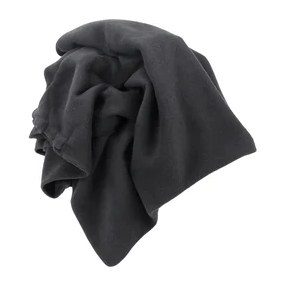
Ideal for those seeking a lightweight, fast-dry option that feels smooth on the skin.
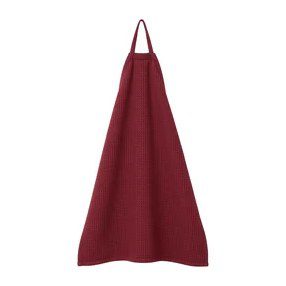
Great for caregivers who require a towel that dries quickly between uses in busy facilities.
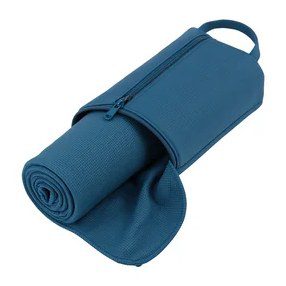
Designed for travellers who value a compact towel that folds small without sacrificing drying ability.
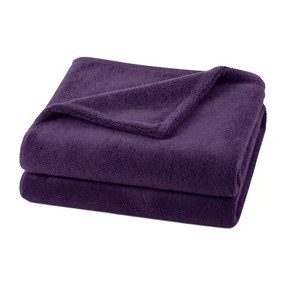
Suited to larger adults or caregivers who need extra coverage while seated.
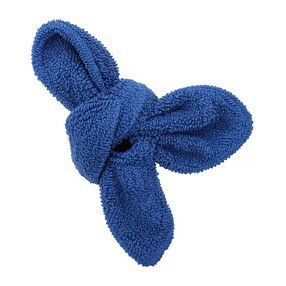
Suits children or individuals preferring a smaller hand-size towel for easy handling.
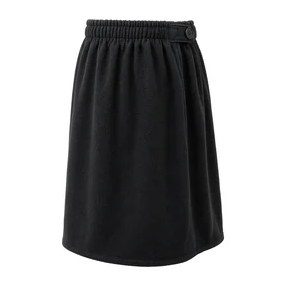
Recommended for anyone needing a highly absorbent towel after a long, relaxing soak.
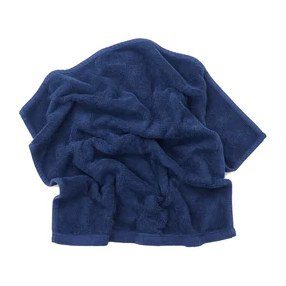
Fit for users who want a thin, easy-to-carry towel that dries rapidly after each wash.
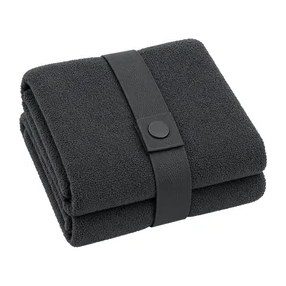
Excellent for backpackers who require a towel that packs flat and weighs little.
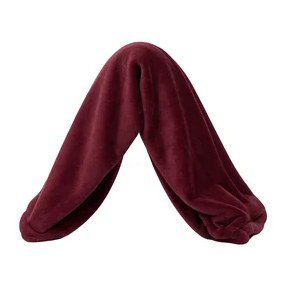
Ideal for those who enjoy a plush, velvety feel after bathing or showering.