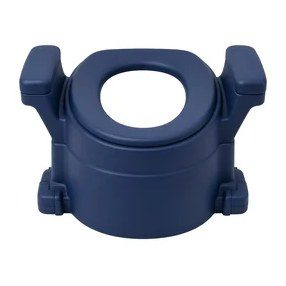
Aidapt Padded Raised Toilet Seat
Soft padding suits users who sit for longer and want a comfortable seat at the right height.
A bathroom raised toilet seat lifts the height of your toilet so sitting down and standing up take less effort on the hips and knees. Our overall pick is the Aidapt Padded Raised Toilet Seat, a comfortable raised seat that suits most standard toilets.
The right bathroom raised toilet seat depends on how much support the user needs and who else shares the toilet. A clamp raised toilet seat fixes to the pan with adjustable brackets and suits most households. A hinged raised toilet seat lifts up like a normal seat, which helps family members and makes cleaning easier. A padded raised toilet seat adds comfort for people who sit for longer. A framed raised toilet seat comes with armrests on a frame, giving something firm to push on when standing. A moulded raised toilet seat is a one piece plastic design that is simple to wipe clean. For larger users, a bariatric raised toilet seat offers a higher weight limit and wider shape. List what the user struggles with, sitting, standing or balance, then pick the type that answers it.
The table shows who each raised toilet seat suits and the type stated in its listing. Measure the height to add and your pan shape first.
| Product | Good Choice For | Key Detail |
|---|---|---|
| Aidapt Padded Raised Toilet Seat | Longer sitting users | Padded seat |
| Aidapt Hinged Raised Toilet Seat | Shared bathrooms | Hinged seat |
| Homecraft Framed Raised Toilet Seat | Firm push support | Framed seat |
| Homecraft Bariatric Raised Toilet Seat | Larger users | Bariatric seat |
| Etac Clamp Raised Toilet Seat | Secure fit seekers | Clamp seat |
| Etac Moulded Raised Toilet Seat | Quick wipe cleaning | Moulded seat |
| Coopers Raised Toilet Seat | Simple height needs | Raised toilet seat |
| NRS Healthcare Raised Toilet Seat | Hip or knee recovery | Raised toilet seat |
| Drive Medical Raised Toilet Seat | Carers setting up | Raised toilet seat |
| Coopers Padded Raised Toilet Seat | Cushioned comfort fans | Padded seat |
A raised toilet seat should bring the seat to a height where the user’s knees sit level with or slightly below their hips, with feet flat on the floor. Most raised seats add between 5 and 15 cm. To find the right height, ask the user to sit on a firm chair with feet flat and measure from the floor to the back of the knee in cm. Then measure from the floor to the top of the existing toilet rim. The difference is roughly how much height to add. A seat that is too high can leave feet dangling and make the user less steady, while one too low gives little benefit. Compare the added height in each listing with your figure, and remember that a padded seat compresses slightly, so allow a little extra if you choose foam.
Most raised toilet seats fit standard round or slightly oval pans, but D shaped, wall hung and very small toilets may need a specific model. Measure the inside width and length of the pan opening in cm, and note the shape of the rim, then compare those figures with the fitting range in each listing. Clamp style seats use brackets that tighten against the inside of the pan, so check the bracket range covers your measurements. Some seats need the existing toilet seat removed, while others sit on the rim with the seat lifted. If you have a close coupled cistern, check there is enough space behind for a hinged seat to lift. An occupational therapist can advise if the toilet shape is unusual. A useful check is to photograph your toilet from above and compare it with the shape shown in the listing.
A raised toilet seat is fitted securely when its brackets grip the inside of the pan firmly and the seat does not shift when weight is put on one side. Start by cleaning and drying the toilet rim, since a damp or dirty surface lets the seat slide. Remove or lift the existing seat as the instructions direct. Set the seat on the pan and tighten the clamp brackets evenly on both sides until snug, without over tightening, which can crack the pan or the seat. Press down on each corner and the front edge to check for movement. If the seat has a frame, adjust each leg so all four feet touch the floor and the arms are level. Check the fit every week, because brackets can loosen with daily use and cleaning. Anyone with balance problems should test the seat with a carer nearby at first. If the seat still moves after tightening, it may not suit your pan shape.
Start by measuring the height to add and the shape of your toilet pan. Choose a raised toilet seat that adds the right height, fits your pan and has a user weight limit with a clear margin.
Raised toilet seats are often supplied through the NHS or local council after an occupational therapy assessment. Ask your GP or social services for a referral, and they can recommend the right height and fitting.
The weight a raised toilet seat can hold varies by model, so check the maximum user weight in kg in the listing. Bariatric seats are available for users who need extra capacity.
Remove the raised seat regularly and wash it with warm water and a non abrasive bathroom cleaner. Clean around the brackets and underside, then dry it before refitting firmly.
Disabled people and those with a long term illness can usually buy a raised toilet seat without VAT if it is for their own personal use. You normally sign a short declaration when ordering.
Soft padding suits users who sit for longer and want a comfortable seat at the right height.
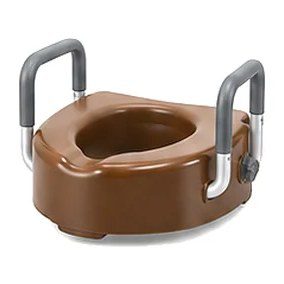
Lifting up like a normal seat, this suits shared bathrooms and makes cleaning easier.
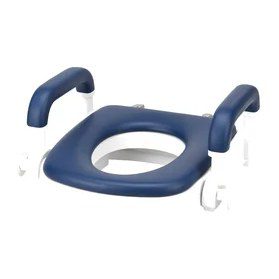
Armrests on a frame suit users who need firm support to push up from when standing.
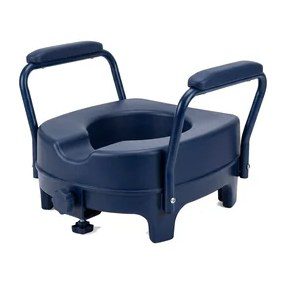
Larger users who need a wider seat and higher weight limit may find this a steadier option.
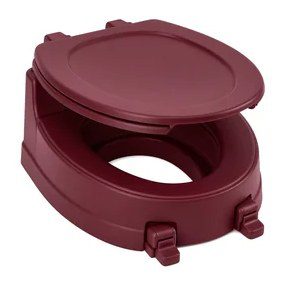
Adjustable brackets fix this firmly to the pan, suiting households wanting a secure fit.
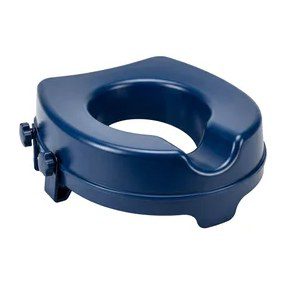
A one piece moulded shape suits users who want a seat that wipes clean quickly.
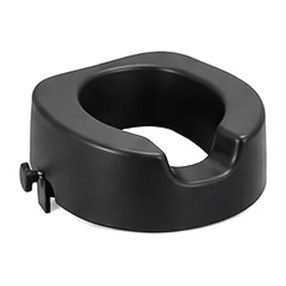
A simple, sturdy option for users needing extra height without added features.
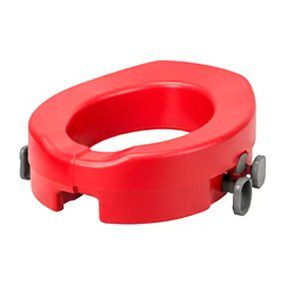
A practical everyday seat suits users recovering from hip or knee surgery.
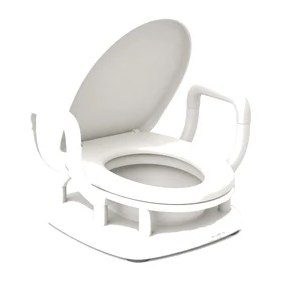
Easy fitting suits carers setting up a bathroom quickly for a family member.
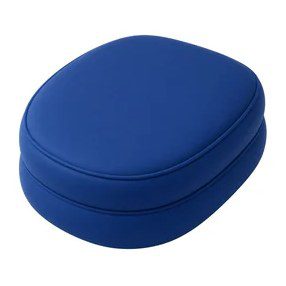
Cushioned comfort suits users who find hard plastic seats uncomfortable.