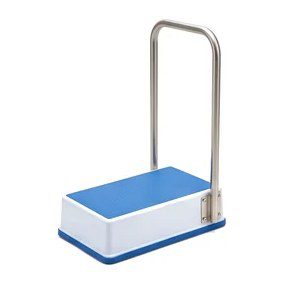
Jobar Bath Step With Handle
A sturdy step with a handle and a non slip surface, giving something to hold as you step up to the bath rim.
A bath step is a low, sturdy platform that halves the height you need to lift your leg to get into the bath or a high shower tray. It is one of the simplest bathroom aids, and the main things to check are the height, a non slip top and whether a handle would help your balance.
These steps help people who can still step into the bath but find the height of the rim a stretch, such as older people, those with stiff hips or knees and people who are recovering from an injury. A bath step for elderly users can make the difference between managing alone and needing help. They are also handy beside a high bed or at a back door with a tall step. They are less suitable for people with poor balance who cannot stand on one leg for a moment, as climbing over a bath always involves that.
Most single steps are around 10 cm to 20 cm high. Measure the height of the bath rim from the floor, then choose a step that roughly halves it, so each movement is a similar size. Some steps stack or have adjustable legs, so the height can change as needs change. Remember that a step also adds height on the way out, when you are wet and the floor may be slippery.
A bath step with handle gives you something to hold as you step up and over, which many people find makes them feel much steadier. The handle should be firm, at a comfortable height and on the side of your stronger hand. Steps with a handle take up more floor space, so check your bathroom has room. A wall mounted grab rail beside the bath does a similar job and stays put, and is worth fitting if you can.
| Step Type | Good Points | Things to Check |
|---|---|---|
| Single platform | Small, light, easy to move | Rubber feet and a non slip top |
| Stacking or adjustable | Height can change | Units lock together firmly |
| Step with handle | Support when stepping up | Floor space and handle height |
| Double step | Two smaller steps for high beds or baths | Overall depth and stability |
Look for a wide, deep platform, an anti slip top surface and rubber feet that grip the floor. The step should not slide when you put weight on one edge. Check the listed maximum user weight and leave a margin. A light step is easy to move, but it should still feel solid. Avoid using a household step stool that was not made for wet floors.
If lifting a leg over the side is hard even with a step, a bath board or transfer bench lets you sit down first and swing your legs over. A bath lift lowers you into the water, and a walk-in shower removes the step altogether. An occupational therapist can look at your bathroom and suggest the safest option. Our bathroom aids guide and accessible bathroom guide cover these in more detail, and our page on a step ramp for elderly people looks at steps around the home.
Think about where the step will live before you buy. It should sit flat on a level floor beside the middle of the bath, where you can reach a grab rail or the edge of a sink for support. Make sure the bathroom door can still open and that nothing else, such as a mat or laundry basket, sits where your feet will land. Good lighting matters, especially at night, so consider a plug-in night light. If the floor is tiled, a step with rubber feet is safer than one with hard plastic feet, and a bath mat should never go under the step.
Many people use the same step at the back door, beside a high bed or to reach a cupboard. If you plan to move it around, choose a light model with a carry handle, and always check it sits flat before stepping onto it. A step stool with a tall handrail is better for reaching high shelves, but never stand on any step to reach overhead if your balance is poor.
The steps below were in stock when we checked each listing. Compare the height and grip with your bath and floor.
Sometimes. Councils can supply small bath aids after an occupational therapist assessment, which you can request as a needs assessment from social services.
Only for stepping into a raised tray. Do not stand on it while showering, as wet surfaces raise the risk of slipping.
It can, if it does not create a trip hazard. Push it against the bath side or tuck it away when not in use.
Wipe it with warm soapy water and dry it well, paying attention to the grip surface where soap can build up.
It may be, but a previous fall is a good reason to ask for an occupational therapist or falls service assessment first. They may suggest a grab rail, a board or a different way into the bath that suits you better.
A sturdy step with a handle and a non slip surface, giving something to hold as you step up to the bath rim.
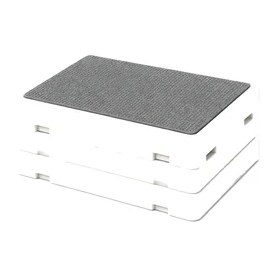
Stackable platform up to about 10 cm high per unit, so the height can be built up. Works as a household step too.
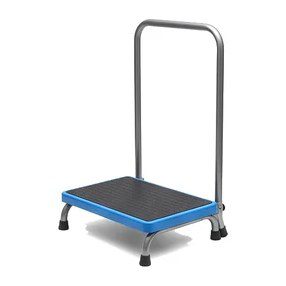
Step platform with a soft grip handrail, an anti slip top and rubber feet. A good choice for people who want support on one side.
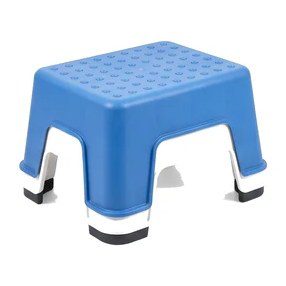
Simple anti slip step for the bath or shower tray, also sold for use at doorways. Low cost and light to move.
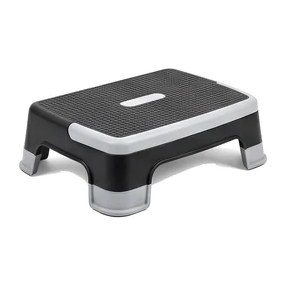
A lightweight half step that adds a small lift, useful where the bath rim is only a little too high.
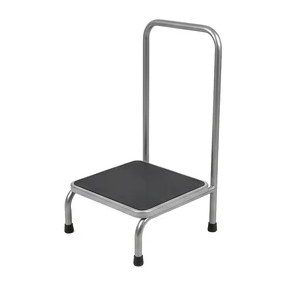
Non slip step stool with a handrail, sold for the bath, kitchen and caravan. Check the floor space before ordering.
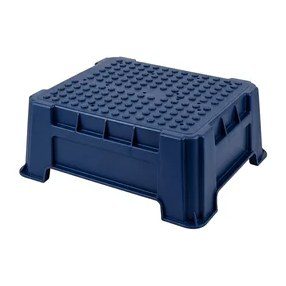
Portable step platform for indoor and outdoor use, light enough to lift aside when others use the bathroom.
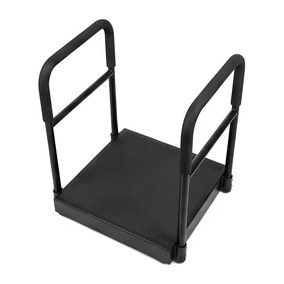
Extra wide step with cushioned hand rails on both sides, listed for users up to 150 kg.