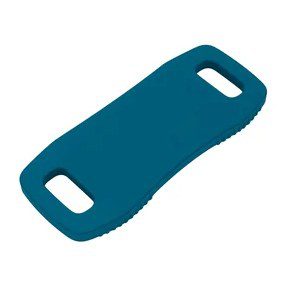
Aidapt Straight Transfer Board 70cm
Check the board length and the weight capacity to ensure it fits your specific transfer gap.
Choosing the right transfer boards and slide sheets for patient care makes daily movement between surfaces smoother and more manageable for both users and carers.
Check the board length and the weight capacity to ensure it fits your specific transfer gap.
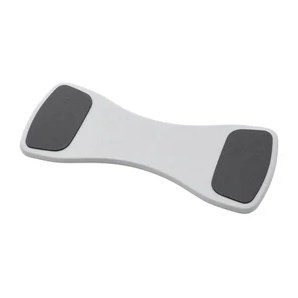
Verify the curvature radius and the presence of handholes for easier positioning between chairs.
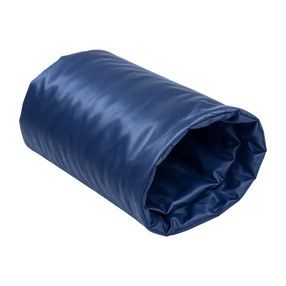
Examine the fabric dimensions and the load bearing limit for safe patient repositioning.
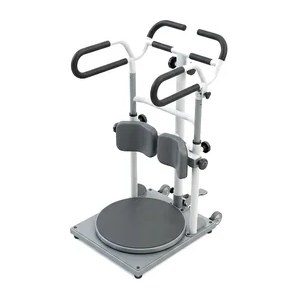
Check the rotating mechanism smoothness and the non slip base surface for secure footing.
Look at the track length and the seat locking mechanism to ensure stability during use.
Review the surface area coverage and the material durability for repeated daily use.
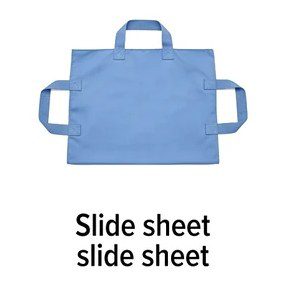
Check the number of reinforced handles and the overall fabric strength for secure lifting.
Inspect the material thickness and the overall board weight for easy transport and storage.
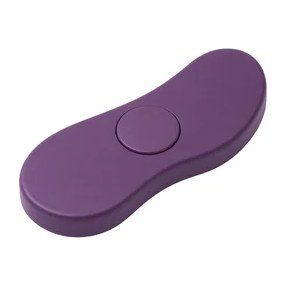
Assess the board width and the surface grip texture to ensure it stays in place.
A transfer board is a rigid bridge used to move between two surfaces, while a slide sheet is a fabric aid that reduces friction for repositioning. Using them together allows for safer, smoother transitions by combining the structural support of a board with the gliding motion of a slide sheet.
A slide board acts as a bridge between two surfaces, such as a wheelchair and a bed. By creating a stable, flat platform, it allows a person to move across the gap without needing to stand fully. The board is placed so that one end rests firmly on the starting point and the other on the destination. The user then shifts their weight across the surface. Friction is minimized by the smooth finish of the board, which helps the user glide across rather than lift their entire body weight. Proper placement is essential to ensure the bridge is secure before any movement begins. This tool is often chosen for its simplicity and the lack of complex parts, making it a reliable solution for many home care environments across the UK.
A sliding board transfer is a method used to move an individual from one seated position to another using a rigid or semi rigid board. The process begins by positioning the wheelchair as close as possible to the target surface, such as a chair or bed. Brakes must be locked on all equipment to prevent shifting. The board is then inserted under the thigh of the user while they lean slightly to one side. Once the board is positioned securely, the user uses their upper body strength to slide across the bridge. This technique reduces the physical demand on the carer, as they do not have to lift the person directly. It is important to maintain a steady rhythm and ensure the user remains balanced throughout the entire transition period.
Using a slide transfer board effectively requires attention to the angle and stability of the equipment. Before beginning, ensure that both surfaces are at a similar height if possible, as this reduces the effort required to slide across. The board should be placed on a flat, stable area of the wheelchair seat and the destination surface. Carers should provide support, but the primary movement should be guided by the user if they have sufficient upper body strength. Keep the board clean and free from any debris that might increase friction. Always check that the board is fully supported underneath by the furniture or wheelchair frame to prevent it from tipping. Regular practice helps both the user and the assistant become more comfortable with the specific motion required for a smooth transition.
Combining a transfer board with a slide sheet can offer added versatility for different care scenarios. While the board provides a rigid bridge for lateral moves, the slide sheet acts as a low friction fabric layer that helps reposition a person while they are lying down or seated. Using these items together allows for a more comprehensive approach to patient handling. For instance, a slide sheet can be used to move a person to the edge of a bed, while the board is then used to bridge the gap to a wheelchair. This combination is particularly useful when the person needs to be moved in stages. Always ensure that the fabric of the slide sheet is tucked neatly away so it does not interfere with the placement of the transfer board.
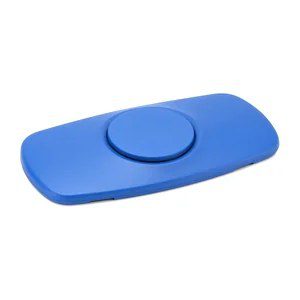
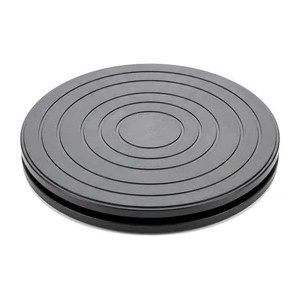
A transfer board with a sliding disc offers a unique advantage by allowing the user to rotate while they move. This is helpful when the destination is not directly adjacent to the starting point, such as when turning to sit in a car seat or a specific type of chair. The disc sits on top of the board and spins freely, reducing the shear forces on the skin that can occur during a standard sliding motion. This design is useful for individuals who find it difficult to pivot their hips during a transfer. By incorporating a rotating element, the board becomes a dynamic tool that adapts to tighter spaces. It is important to ensure the disc is locked or stable when the user is initially sitting down, preventing any unexpected movement during the setup phase.
A transfer board with a sliding seat is designed to provide a more controlled movement experience. Unlike a flat board where the user slides their body directly over the plastic or wood surface, the sliding seat carries the user across the track. This reduces the amount of friction against the skin and can be more comfortable for those with sensitive skin. The seat usually locks into place at both ends to ensure safety during the transfer. This option is often preferred for longer transfers where a simple board might feel less secure. By using a seat, the user maintains a seated posture throughout the entire process, which can provide a greater sense of stability and confidence. Check the weight capacity and the track length to ensure it fits the intended furniture.
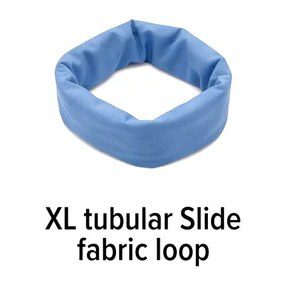
Some modern transfer aids feature a slide sheet attached directly to the board or a sleeve that fits over it. This design simplifies the setup process by ensuring the low friction surface is always in the right place. It removes the need to manage two separate pieces of equipment, which can be a significant benefit in busy care environments. The attached sheet helps to protect the skin from the surface of the board while providing the necessary glide. When using this type of tool, it is important to inspect the attachment points regularly to ensure they remain secure. Keeping the sheet clean is vital, as a build up of dust or moisture can affect how easily it glides. This integrated approach is a practical choice for those seeking to streamline their daily routines.
While the terms are often used interchangeably, a transfer board and a slide board generally refer to the same type of rigid bridge. The main differences lie in the shape, material, and additional features like handholes or tapered edges. Some boards are straight, while others are curved to accommodate the wheels of a wheelchair. When comparing these, consider the distance between the surfaces you need to bridge and the available space in the room. A longer board may be necessary for wider gaps, but it can be more difficult to store. A board with handholes provides a better grip for the user, which can increase their independence. Always assess the weight limit of the board to ensure it is appropriate for the user, and look for a smooth, splinter free finish.
A slide board works best when placed on stable, flat surfaces of similar height. It is not suitable for uneven ground or gaps that are too wide for the board length. Always check the stability of the furniture before starting the transfer to ensure the board remains secure.
Most transfer boards can be cleaned using a damp cloth and mild household detergent. Avoid using harsh chemicals or abrasive scrubbers that might damage the smooth surface. Ensure the board is completely dry before using it again to maintain the necessary low friction properties for safe gliding.
Slide sheets and transfer boards serve different purposes in patient care. A board provides a rigid bridge for moving between distinct seats, while a sheet is designed for repositioning a person within a bed. Choosing between them depends on the specific movement task and the user's mobility level.
Handholes provide a secure grip for the user, allowing them to pull themselves across the board more effectively. This can increase independence and reduce the physical strain on the carer. Ensure the holes are smooth and do not cause discomfort when the user grips them during the transfer.
The lifespan of a slide sheet depends on the frequency of use and the care taken during handling. Inspect the fabric regularly for signs of wear, thinning, or damage to the stitching. If the sheet loses its low friction quality or shows tears, it should be replaced immediately.
Every transfer board is designed with a specific weight capacity that must be respected for safety. Always check the manufacturer guidelines to ensure the board can support the user. Exceeding the stated limit can cause the board to bend or break, which poses a risk during the transfer.