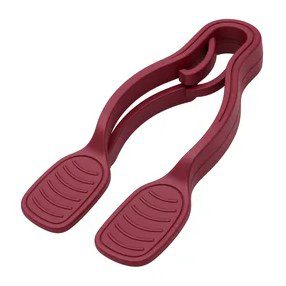
Aidapt Folding Toilet Tissue Aid
A folding shaft suits anyone who wants to tuck the aid away discreetly when guests visit.
A toilet tissue aid extends your reach so you can manage personal hygiene on your own when bending or twisting is hard. The main choices are wand, tong and clip heads, on fixed, folding or telescopic handles.
Look first at how the toilet tissue aid grips paper and how it lets go, because that is what you will do every visit. Soft wand heads have grooves that hold wrapped tissue and suit gentle wiping. Tong heads clamp paper between two arms, giving a firm hold for people with reasonable hand strength. Clip heads pinch the paper and are fast to load. Next, think about the handle: rigid ones feel steady, folding ones store easily and telescopic ones adjust for reach. The grip should be thick enough to hold without squeezing hard. Finally, check the material can be washed with hot water and your usual cleaner. One practical comparison is to hold a wooden spoon and then a rolling pin, imagining each as the handle; whichever feels better is a guide to the thickness to look for. Toilet tissue aids vary a lot, and an occupational therapist can let you try several types.
The table shows who each toilet tissue aid suits and one feature from its listing. Measure your reach while seated first, then compare head styles and handle types.
| Product | Good Choice For | Key Detail |
|---|---|---|
| Aidapt Folding Toilet Tissue Aid | Discreet storage | Folding design |
| Aidapt Wand Toilet Tissue Aid | Weaker hands | Wand head |
| NRS Healthcare Tong Toilet Tissue Aid | Good hand strength | Tong grip |
| NRS Healthcare Grip Toilet Tissue Aid | Thin handle trouble | Cushioned grip |
| Homecraft Clip Toilet Tissue Aid | Fewest steps | Clip head |
| Homecraft Travel Toilet Tissue Aid | Regular travellers | Travel size |
| Patterson Medical Bariatric Toilet Tissue Aid | Larger users | Bariatric build |
| Patterson Medical Reach Toilet Tissue Aid | Hip surgery recovery | Extra reach |
| Drive Medical Handle Toilet Tissue Aid | Steady fixed tool | Handle design |
| Drive Medical Telescopic Toilet Tissue Aid | Changing needs | Telescopic shaft |
Most people need a toilet tissue aid that reaches from a relaxed hand by the hip to the area being cleaned, which often means around 35 to 45 cm. Sit on the toilet, let your arm hang naturally, and ask someone to measure in cm from the palm round to the reach point along the body. Add a few centimetres so you are not at full stretch. If you have had hip surgery and must keep the hip from bending too far, choose the longer end of that range or a telescopic model. Larger users often need extra length and a sturdy shaft. A handle that is too long, though, can be awkward to control in a small bathroom, so also measure the space between the toilet and the nearest wall. Folding models suit travel, but check the hinge locks firmly before you rely on it, as movement at the joint makes control harder.
They are worth considering for anyone who finds standard lengths too short, including when buying a toilet tissue aid for elderly people with stiff hips. Bariatric designs are longer and stronger, with thicker shafts that do not bend under pressure, which suits people with a larger body size. Telescopic designs slide out to different lengths and lock in place, making them useful when needs change after surgery or when two people share an aid. The trade off is weight and the locking mechanism, which must be checked often. Compare the shortest and longest lengths listed in cm with the reach you measured, and pick one where your measurement sits in the middle of the range, not at the limit. If you also have weak hands, check that the locking collar or button can be worked without a strong pinch. A GP or occupational therapist can arrange a home assessment, which may include a raised toilet seat.
Keeping a toilet tissue aid hygienic depends on a simple routine after each use. Release the tissue fully into the toilet before lifting the aid away, so nothing drips onto the floor. Rinse the head under the hot tap straight after, then wash it with soapy water or a disinfectant that the manufacturer says is Gentle on the plastic. Leave it to dry upright in a holder rather than lying in a damp corner, as standing water encourages germs and odours. Once a week, give the whole handle a wash, including the grip and any locking collar. Look for cracks, rough patches or worn grooves where dirt could collect, and replace the aid if you find any. Keep a box of disposable gloves nearby for carers who help with cleaning. If someone else also uses the aid, label it so it is not mixed up with another person’s. Many people keep a second aid in a travel bag.
Load a few folded sheets of tissue onto the head, reach round from the side or between the legs, wipe, then release the tissue into the toilet using the button, trigger or a shake. Practise loading before you need it, and keep spare tissue within reach.
A toilet tissue aid helps people with limited reach or twisting, such as those with arthritis, back problems, a large body size or recent hip surgery. It is also used by people with weak grip after a stroke. An occupational therapist can advise which design suits.
Rinse the head under hot water after use, then wash with soapy water or a mild disinfectant and allow it to dry. Check the manufacturer’s advice on cleaning products. Store it upright in a holder or bag, off the floor, and replace it if the surface cracks.
Yes, many toilet tissue aids fold or slide shorter and come with a carry bag for trips. Check the packed length in cm fits your wash bag. Pack a few disposable bags too, so you can store it hygienically after use when away from home.
Tong aids grip paper between two arms that you open and close with the handle, giving a firm hold. Wand aids have a shaped head that you wrap paper round, and usually need less hand strength. Wands suit weaker hands, while tongs suit those who want a tight grip.
A folding shaft suits anyone who wants to tuck the aid away discreetly when guests visit.
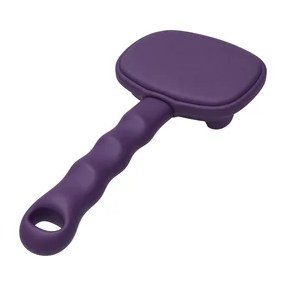
The shaped wand head suits people with weaker hands who prefer wrapping paper to squeezing.
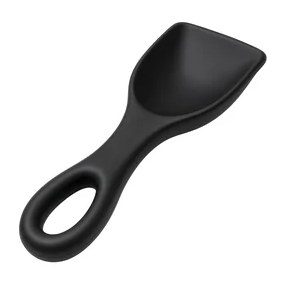
Firm pincer action suits users with good hand strength who want the tissue held tightly.
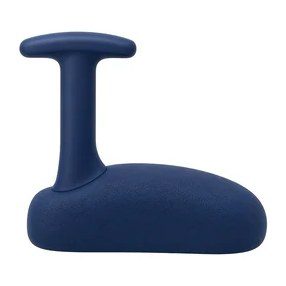
A cushioned handle suits people who find thin handles hard to hold steadily.
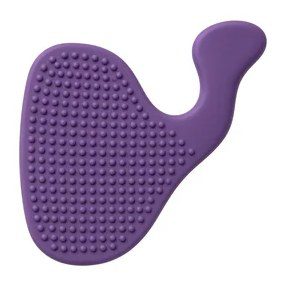
Quick loading through a clip suits someone who wants as few steps as possible.
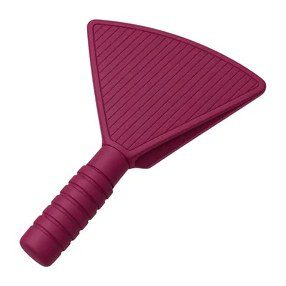
Short packed length suits regular travellers and people staying with family.
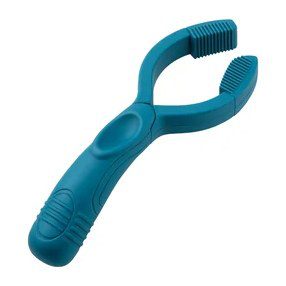
Extra length and strength suit larger users who need a sturdier shaft.
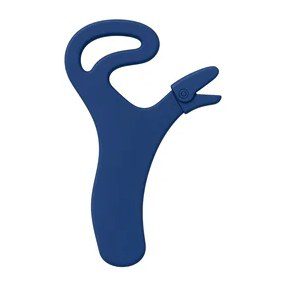
Added reach helps those recovering from hip surgery who must avoid bending too far.
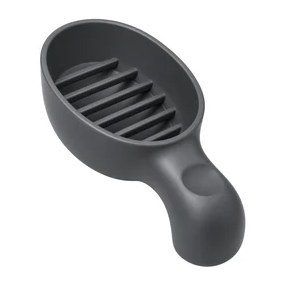
A simple fixed handle suits people who prefer a steady tool with nothing to adjust.
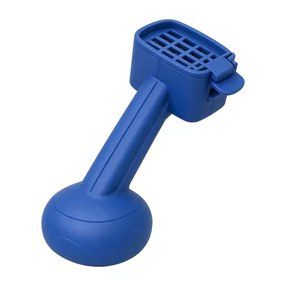
Adjustable length suits households sharing one aid or needs that change during recovery.