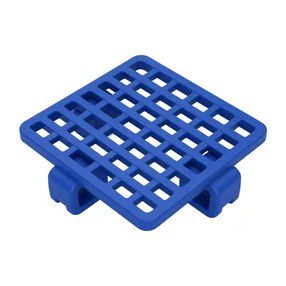
Aidapt Slatted Shower Board
The slatted top suits regular showering at home, letting water drain away so the seat stays drier.
A shower board sits across the rim of the bath so you can sit down, swing your legs over and wash under the shower without standing in the tub. The right one matches your bath width, carries your weight with room to spare and has a surface that suits your skin and grip.
The right shower board is one that rests securely on both rims of your bath with the adjustable brackets locked against the inner walls. Most boards come in lengths of about 66 to 74 cm, and the brackets underneath slide to fit baths of different inside widths. Measure your bath from the outer edge of one rim to the outer edge of the other in cm, then measure the inside width at the top, between the two inner walls. Compare both figures with the size and bracket range in each listing. A board that is too short can tip, while one that overhangs a lot may catch your legs as you swing them over. Check the rim depth too, since rolled or very narrow rims give less support. If your bath has a sloped end, place the board where the sides run straight and parallel. An occupational therapist can measure for you if you are unsure.
The table shows who each shower board suits and one detail from its listing, such as padding or a handle. Measure your bath rim to rim width first so you can rule out boards that will not fit.
| Product | Good Choice For | Key Detail |
|---|---|---|
| Aidapt Slatted Shower Board | Daily showering | Slatted top |
| Aidapt Padded Shower Board | Thin or sore skin | Padded seat |
| NRS Healthcare Plastic Shower Board | Easy cleaning | Plastic board |
| NRS Healthcare Bariatric Shower Board | Larger users | Bariatric build |
| Drive Medical Handled Shower Board | Unsteady transfers | Built in handle |
| Drive Medical Contoured Shower Board | Staying centred | Contoured seat |
| Homecraft Perforated Shower Board | Fast draining | Perforated surface |
| Homecraft Fold-up Shower Board | Shared bathrooms | Fold up design |
| Coopers Shower Board | First time users | Standard board |
| Careco Shower Board | Everyday bath showers | Standard board |
A slatted shower board drains quickly and dries fast, which makes it the most common choice for everyday showering. The gaps let water run straight through, so you are not left sitting in a puddle, and the slats give a little grip. A padded shower board is softer to sit on, which helps if you have thin skin, pressure sores or you sit for longer while washing. Check that the padding is sealed and wipeable so it does not hold water. A solid plastic shower board, sometimes with drainage holes, is simple to clean and often lighter to lift on and off. To compare comfort, sit on a firm kitchen chair for the length of a normal shower and note any sore spots, as that tells you whether padding is worth it. A GP or district nurse can advise on seating if you have pressure areas to protect.
Features that make transfers safer are a built in handle, a non slip surface and brackets that grip the bath firmly. A handle on the board gives something to hold as you shuffle along and lift each leg over the rim. A contoured or slightly cut away seat helps you stay central rather than sliding towards the edge. Rubber stoppers on the brackets stop the board shifting sideways. Pair the board with a grab rail on the wall where possible, fitted into solid wall fixings. For a simple comparison, note the height of your bath rim in cm and whether you can sit on a dining chair of that height without effort. If not, a bath lift or bath seat may suit better. An occupational therapist can watch you practise the transfer and suggest a better position for rails, taps and the shower head before you rely on it daily.
Getting on safely starts with sitting on the board from the outside of the bath, never stepping into the tub first. Back up until you feel the board behind your legs, hold the handle or a grab rail, and lower yourself onto the middle of the board. Shuffle back a little so you are well supported, then lift one leg at a time over the rim, using your hands to help if needed. Once both feet are in the bath, check you are centred before turning on the water. Keep the shower head within reach on a slide rail so you do not need to lean. Test the water temperature with your hand before letting it run over your body. To get off, reverse the steps: turn off the water, dry your legs, lift them out one at a time and then stand with support. A non slip mat on the floor outside the bath helps. An occupational therapist can practise the transfer with you the first few times.
A shower board fits when its length covers both rims and its brackets lock against the inner walls. Measure the outer rim to outer rim width and the inner top width in cm. Then check both against the board length and bracket range listed for each shower board.
Each shower board has a stated maximum user weight, usually shown in kg in the listing. Bariatric boards are made for higher weights and are often wider. Choose a board rated well above your weight, as sitting down heavily or shuffling puts extra load on the rims and brackets.
A shower board can be used without a grab rail, but a rail makes getting on and off much steadier. A handle on the board itself helps, though a wall rail fixed into solid wall gives better support when you stand. An occupational therapist can advise on the best rail position.
Many councils supply a shower board free after an occupational therapist assessment, as part of equipment to help you stay independent at home. Contact your council adult social care team or ask your GP for a referral. Waiting times vary, so some people buy one meanwhile.
Clean a slatted shower board with warm soapy water and a soft brush, working between the slats where soap and limescale gather. Rinse well and leave it to dry standing upright. Avoid harsh abrasive pads, which scratch plastic and make it harder to keep clean.
The slatted top suits regular showering at home, letting water drain away so the seat stays drier.
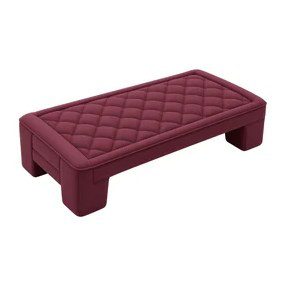
Soft padding makes this a good option for anyone with thin skin who sits for a longer wash.
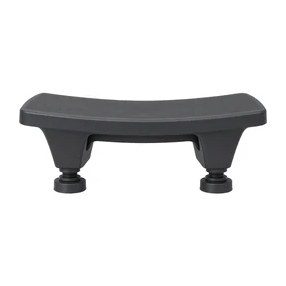
A plain wipe clean plastic surface suits carers who want something quick to dry and keep hygienic.
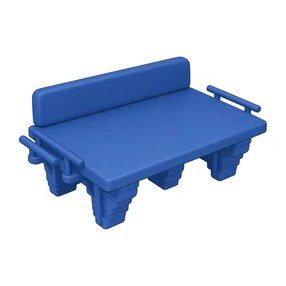
Larger users will want this bariatric version, built wider and rated for a higher weight limit.
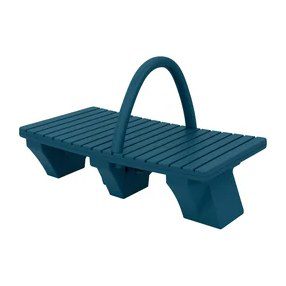
An integral handle gives an extra hold for people who feel unsteady when lifting their legs over.
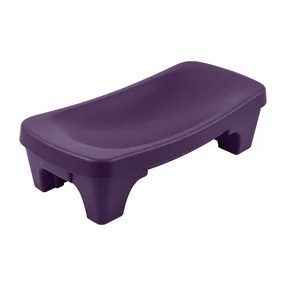
The shaped seat helps users stay centred on the bath rather than drifting towards one edge.
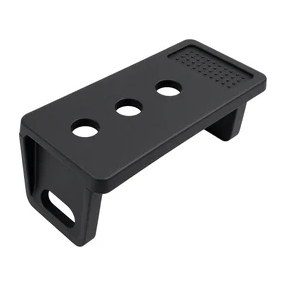
Drainage holes across the top suit those who shower daily and want water to run straight through.
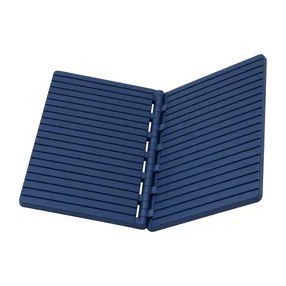
A fold up design suits shared bathrooms where the board needs to come off the bath between uses.
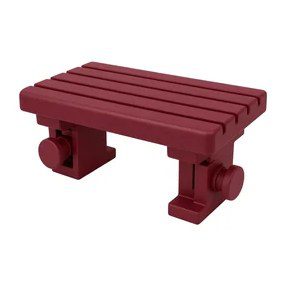
This straightforward board suits first time users who need a dependable seat across a standard bath.
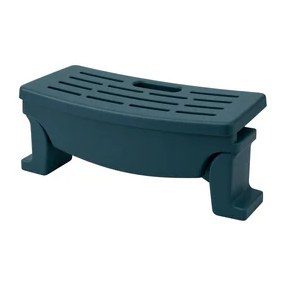
Households wanting a simple everyday option for bath showering could start with this board.