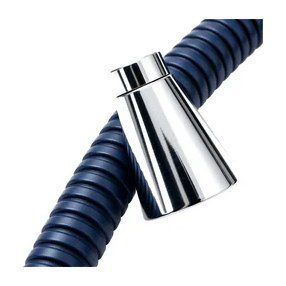
Shower Hose
Ideal for wheelchair users who need a reliable, easy-to-handle connection, this basic hose offers straightforward installation.
A good shower hose should be easy to manoeuvre and durable enough for frequent use, especially in a mobility-friendly bathroom.
The ideal length depends on the distance between the tap and the shower head, plus any extra reach needed for a wheelchair user. Measure the straight line from the faucet to where the head will sit, then add 10 cm to allow for bends. A hose that is too short will require awkward stretching, while one that is too long may coil and kink. Look for hoses that specify their length clearly and consider flexible options if space is tight.
The table lists each hose’s length, material and special features, helping you match them to your bathroom’s dimensions and mobility needs. Start by measuring the distance from tap to shower head.
| Product | Good Choice For | Key Detail |
|---|---|---|
| Shower Hose | Wheelchair users | Basic shower hose |
| Flexible Shower Hose | Users needing flexibility | Flexible design |
| Metal Shower Hose | Those wanting rigidity | Metal construction |
| Chrome Shower Hose | Style-focused buyers | Chrome finish |
| Stainless Steel Shower Hose | Hygiene conscious | Stainless steel material |
| Braided Shower Hose | Durability seekers | Braided reinforcement |
| Rubber Shower Hose | Gentle-hand users | Rubber exterior |
| Long Shower Hose | Large spaces | Extra length |
| Short Shower Hose | Compact bathrooms | Short length |
| Universal Shower Hose | Mixed fixture homes | Universal fit |
Metal constructions such as stainless steel or chrome offer excellent rigidity and long-term resistance to wear, but they can feel heavy. Plastic or rubber variants are lighter and bend more easily, which can aid users who need to adjust the hose frequently. To compare, feel the hose in your hand; a sturdy metal will feel solid, while a high-quality rubber will give slight give without feeling floppy. Choose a material that matches the user’s strength and the bathroom’s exposure to moisture.
Most handheld shower heads use a standard ½ cm thread, which matches the majority of shower hoses on the market. Verify the thread size on both the hose and the handheld unit before purchase. If the threads differ, a small adaptor can bridge the gap, but it adds another potential leak point. Checking the specifications on the packaging or product sheet ensures compatibility without extra fittings.
Secure the hose firmly to both the tap and the shower head to avoid sudden detachment, which could cause water damage or injury. Use a wrench to tighten connections just enough to stop leaks without over-tightening, which can strip threads. Position the hose away from the floor to prevent tripping hazards, especially for wheelchair users. Regularly check for mineral buildup inside the hose, as this can reduce water flow and increase pressure, potentially leading to bursts. If you notice any rust, cracks or reduced flexibility, replace the hose promptly to maintain a safe bathing environment.
Measure the distance from the faucet to the intended shower head position and compare it with the hose length listed. Add a small allowance for bends; if the hose is at least 10 cm longer than the measured distance, it will fit comfortably.
Yes, provided the hose has a standard ½ cm thread that matches the hand shower’s connector. Confirm the thread size on both items before fitting to avoid leaks.
Metal hoses, such as stainless steel or chrome, are rigid, resistant to kinking and last longer under heavy use. Plastic hoses are lighter, more flexible and easier to route around tight corners, but may wear faster in high-temperature water.
Inspect the hose every six months for signs of wear, cracking or leaking; replace it when any damage is visible. Typically, a hose lasts three to five years with regular use, but harsher conditions may shorten its life.
Universal hoses are designed to fit the common ½ cm thread found on most shower heads, making them suitable for a wide range of models. Verify the thread size on your specific head to ensure a proper match.
Ideal for wheelchair users who need a reliable, easy-to-handle connection, this basic hose offers straightforward installation.
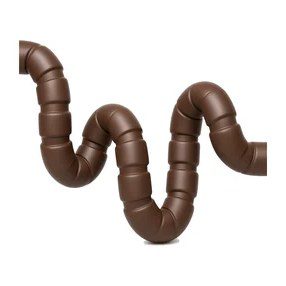
Ideal for those requiring extra manoeuvrability, the flexible version bends without kinking, aiding reach in tight spaces.
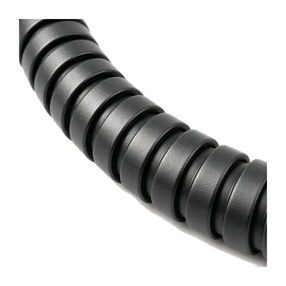
Suited to users who prefer a sturdy, long-lasting option, the metal hose resists corrosion and maintains shape.
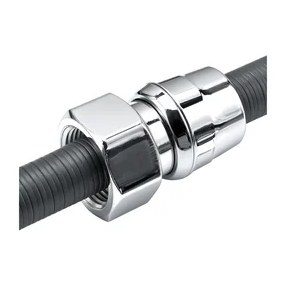
Great for anyone wanting a sleek, reflective finish that matches modern bathroom fittings while remaining durable.
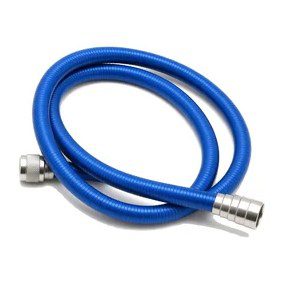
Designed for individuals seeking a rust-free, hygienic solution, the stainless steel hose offers strength and easy cleaning.
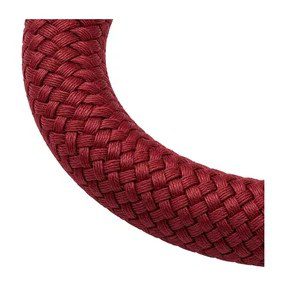
Suits users who need extra grip and durability, the braided hose combines strength with flexibility.
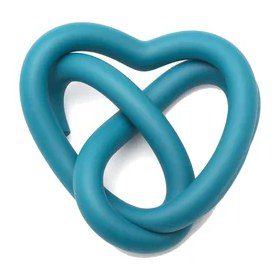
Fits people who prefer a soft, slip-resistant feel, the rubber hose is gentle on hands and bends easily.
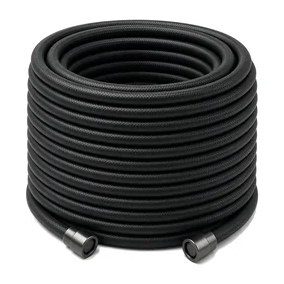
Ideal for larger bathrooms or users who need extra reach, the long hose provides ample length without sacrificing flow.
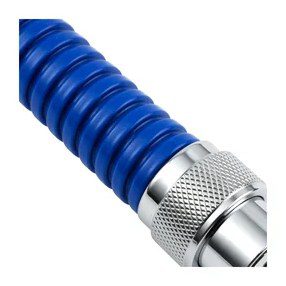
Ideal for compact showers where space is limited, the short hose reduces excess slack and clutter.
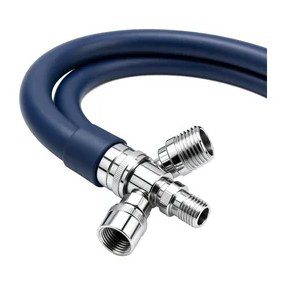
Works well for households with mixed fixtures, the universal hose adapts to various head types and sizes.