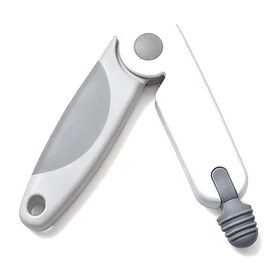
Buckingham Pocket Easywipe
A folding wiper that packs into a pocket or bag, from a long-established UK maker of toilet aids. One of the dearer choices, but popular for trips out.
A bottom wiper toilet aid holds toilet tissue or a wet wipe on the end of a handle, so you can clean yourself without twisting or reaching behind. It is a small, private aid that helps many people stay independent in the toilet, and the main choices are the reach, how it holds the tissue and whether it folds.
Toilet aids for wiping help people with limited shoulder or wrist movement, those with arthritis, people with a larger body shape and anyone recovering from surgery such as a hip replacement, when twisting and bending may be off limits for a while. They are also used by people with a stroke affecting one side, who may need to wipe with their weaker hand. Being able to manage alone matters a great deal to most people, and a simple aid can avoid the need for help from a carer.
| Type | How It Holds Tissue | Good Points |
|---|---|---|
| Long handled wiper | Tissue wrapped round a shaped head | Simple and easy to clean |
| Toilet tongs | Tissue gripped between two jaws | Firm hold and a release button |
| Folding wiper | Clip or slot on a hinged handle | Packs into a bag for trips out |
| Curved wiper | Tissue tucked into a slot | Shaped to reach from the side |
Most handles are around 25 cm to 40 cm long. A longer handle gives more reach for people with limited shoulder movement or a larger body shape, while a shorter one is easier to control. The angle of the head matters as much as the length, so try the movement while sitting on your own toilet if you can. Some aids come in two parts so you can choose the reach.
Toilet tongs hold the tissue between two jaws and let it go when you press a button or open the handle, so you do not touch the used paper. They grip wet wipes well and suit people with good hand strength. A simple shaped wiper has fewer moving parts, so it is easier to rinse and has nothing to wear out, though tissue may slip off if it is not wrapped firmly.
People with a larger body shape often find it hard to reach round or between the legs, and a standard wiper may simply be too short. Look for longer handles, a head angled to reach from the front, and a firm grip on the tissue so it does not slip off before you finish. Some longer sets come with more than one head or a choice of reach. A raised toilet seat or toilet frame can also help by giving more room to lean forward, and a wash and dry toilet is worth considering if wiping remains hard.
Most people keep their wiper in a holder or cup beside the toilet, where it can drain and dry between uses. Rinse the head under the tap or with the shower straight after use, and wash it with hot soapy water or a mild disinfectant every few days. Avoid strong bleach on rubber parts, as it can make them crack. Folding wipers usually come with a pouch, so they can travel in a handbag without anyone knowing what is inside. Replace the aid if the plastic cracks or the grip stops holding tissue firmly.
Yes. Folding wipers and those with a carry case fit in a handbag or rucksack. Pair one with a few other bathroom aids and a RADAR key for accessible toilets, and trips out can feel much easier. Our accessible bathroom guide covers rails and raised seats at home.
If wiping is very difficult, a wash and dry toilet seat may be worth considering, and an occupational therapist can assess for one. They can also suggest positioning that makes reaching easier. Our daily living aids guide lists other small aids.
The wipers below were in stock when we checked each listing. Compare the reach and how each one holds the tissue.
Yes, if it is rinsed after use and left to dry. Choose a smooth plastic head without deep grooves, as it is easier to keep clean. Keep it for one person only rather than sharing it within a household.
Most aids hold wet wipes as well as toilet tissue, and tongs grip them especially well. Do not flush wipes unless the packet says they are flushable.
Many people find it useful while they avoid twisting or bending. It is often suggested alongside a raised toilet seat and a grabber, so it is worth buying before the operation. Follow the movement advice from your hospital team.
Sometimes an occupational therapist will supply one, but they are low cost and many people buy their own.
Many are, as they let people wipe with their stronger hand from the side or front. A simple design with a firm grip works best, and an occupational therapist can suggest the safest way to sit and reach.
A folding wiper that packs into a pocket or bag, from a long-established UK maker of toilet aids. One of the dearer choices, but popular for trips out.
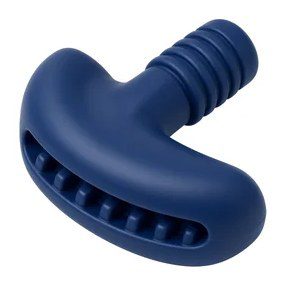
A full length version of the same design, which grips tissue at the head and lets go with a simple action. Suits people who want a long-established design for home.
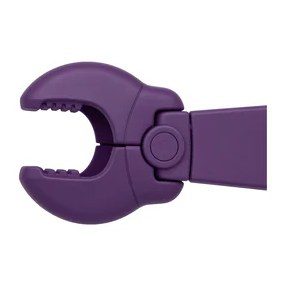
Folds in half for storage or travel, with a shaped head that holds tissue. A middle option on price for those who need one at home and away.
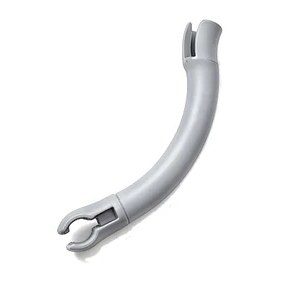
About 25 cm long with a curved shape that reaches round from the side. The shorter handle gives good control for people with fair shoulder movement.
A long reach wiper that holds tissue or a wet wipe and extends reach by around 38 cm. A lower priced choice that suits most bathrooms.
Plastic wiper with an ergonomic shape and a release action, so used tissue can drop away without touching it. Light to hold for weaker hands.
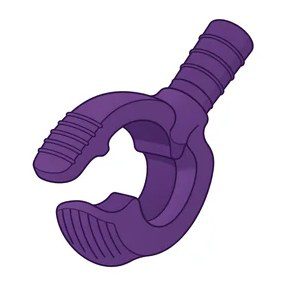
A longer handled set sold for people with a larger body shape or very limited reach. Check the length suits you before ordering.
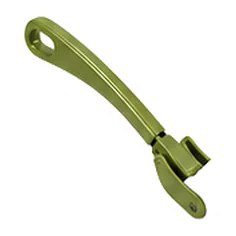
A simple plastic wiper with no moving parts, which makes it easy to rinse and keep clean. Good value for everyday use at home.