What Should Be The Angle Of A Ramp
Click here to check the latest prices on What Should Be The Angle Of A Ramp
When it comes to designing or purchasing a ramp—whether for a wheelchair, scooter, or general mobility use—understanding what should be the angle of a ramp is crucial. The angle directly affects how safe, comfortable, and practical the ramp will be. A ramp that’s too steep can be dangerous, while one that’s too shallow may take up unnecessary space. Getting it right ensures smooth accessibility for everyone, from wheelchair users to parents with prams or delivery staff moving heavy items.
Ideal Ramp Angle and Gradient Explained
The best angle for a ramp depends on its purpose and who will use it. For wheelchair ramps, both manual and powered, the recommended gradient is typically between 1:12 and 1:20. This means for every inch of rise, there should be at least 12 inches of ramp length. For example, a rise of 6 inches would need a ramp at least 6 feet long to maintain a safe slope. This gentle incline ensures safety, stability, and ease of movement.
However, for short, portable ramps used occasionally (like over door thresholds or steps), a steeper angle may be acceptable if used under supervision. Always check manufacturer guidelines and the user’s mobility capabilities before choosing a ramp angle.

- 1:12 ratio (4.8°): Ideal for wheelchairs and daily use ramps, providing smooth access without much effort.
- 1:15 ratio (3.8°): Recommended for longer ramps where gradual slope is needed for comfort.
- 1:20 ratio (2.9°): Perfect for public or commercial access ramps as per accessibility standards.
Click here to check the latest prices on What Should Be The Angle Of A Ramp
Why the Correct Ramp Angle Matters
Choosing the correct ramp angle isn’t just about compliance—it’s about comfort and safety. A well-angled ramp makes movement easier and prevents accidents. Too steep, and the user risks tipping backward or losing control; too flat, and it may take up excessive space, especially in compact areas like home entrances or vans.
Besides comfort and safety, the right ramp angle also extends the life of mobility equipment. Manual wheelchairs, for example, put less strain on the wheels and bearings when used on a properly sloped ramp. Electric scooters and powerchairs also benefit, as batteries last longer and motors are less stressed on gentle inclines.
Practical Tips For Measuring Ramp Angle
Understanding how to calculate and measure ramp angles can save both time and money. Here’s how you can figure it out easily:
- Measure the rise (height difference between top and bottom points).
- Multiply that height by 12 to find the minimum length for a 1:12 ratio ramp.
- Use an angle finder app or a simple protractor to check if your ramp slope matches the target degree.
- Ensure the surface is non-slip and has side guards for added safety.
For those installing ramps outdoors, consider weather factors like rain or ice, which can impact traction. Using anti-slip surfaces or rubber ramp mats can significantly enhance safety.
Best Uses and Applications

The right ramp angle applies across different situations:
- Home access ramps: Gentle gradients for wheelchair users and the elderly.
- Vehicle ramps: Slightly steeper but stable for loading and unloading wheelchairs or scooters.
- Public access ramps: Must comply with accessibility standards (usually 1:20 or less).
Even garden ramps and temporary event setups benefit from proper slope planning. It’s all about balancing practicality and comfort with space availability and purpose.
Final Thoughts
So, what should be the angle of a ramp? The answer depends on how it’s used—but as a rule of thumb, gentle slopes between 2.9° to 5° are ideal for most accessibility purposes. Always measure carefully, plan ahead, and ensure the ramp surface is safe and weather-resistant.
Whether you’re setting up a small portable ramp or designing a permanent one for your property, getting the angle right is key to creating a truly accessible and safe environment for everyone.
Click here to check the latest prices on What Should Be The Angle Of A Ramp

- Size - This 5cm / 1.97" rubber threshold ramp is 50mm x 500mm x 1000mm x 11.8kg. The threshold ramp offers a capacity of 1000kg
- Suitability - Built to a 1:10 gradient to provide wheelchairs, scooters and walkers smooth access over steps, kerbs, thresholds and doorways


- Use – Safely overcome kerbs and steps up to 200mm in height with this high-visibility portable wheelchair ramp. Easy to use, simply rest it in place.
- Specification – The 4ft ramp measures 1216mm x 720mm and weighs 8.8kg. Usable width: 715mm. Durable 300kg capacity, perfect for wheelchairs, mobility scooters and rollators. When folded, the ramp measures 1216mm x 375mm x 40mm. Designed for heights up to 200mm for assisted manual wheelchairs; for unassisted wheelchairs and scooters, we recommend a maximum step height of 150mm.

- Size - This 139mm/5.5" rubber ramp is 139.7mm x 838mm x 400mm x 14.8kg. 1000kg capacity
- Use - Designed to allow trolleys, goods, motorbikes, light cars, wheelchairs, scooters, rollators, dogs, pets and equipment to overcome steps, pavements, driveways and kerbs or enter containers, sheds and garages
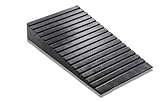
- Size - This 165mm rubber kerb ramp is 165mm x 990mm x 400mm x 19.8kg. 1000kg capacity
- Use - Designed to allow trolleys, goods, motorbikes, light cars, wheelchairs, scooters, rollators and equipment to overcome steps, pavements, driveways and kerbs or enter containers, sheds and garages

- Use - Threshold ramps designed to allow manual wheelchairs, electric wheelchairs, mobility scooters and walkers to overcome steps, kerbs, doorways and thresholds
- Safety - Built to a smooth gradient with disabled access in mind. Anti-slip surface. Highly durable with a 1000kg capacity. Straight edge design to allow the two ramps to be placed side by side. Additional ramps can be purchased to cover wider widths, for example for double doors

- Heavy Duty Use: These heavy duty kerb ramps support a 20,000kg capacity, ideal for allowing cars, ride-on mowers, and vans to easily overcome kerbs, pavements, driveways, and access containers and sheds.
- Installation Options: Use these heavy duty kerb ramps as a temporary portable ramp or secure them permanently with pre-drilled holes. Includes fixings for tarmac and concrete, making them suitable for both commercial and domestic use.

- Portable wheelchair ramp: RollAble wheelchair ramp rolls for storage and transportation. Provided with a black strap to secure the ramp shut during storage. The edges of the ramp have cut out handles to alllow the ramp to be maneuvered as required.
- Adjustable: The wheelchair ramp can be reduced in size by removing sections with the Allen key and spanner provided.

- Portable wheelchair ramp: RollAble wheelchair ramp rolls for storage and transportation. Provided with a black strap to secure the ramp shut during storage. The edges of the ramp have cut out handles to alllow the ramp to be maneuvered as required.
- Adjustable: The wheelchair ramp can be reduced in size by removing sections with the Allen key and spanner provided.

- Specifically designed for uneven surfaces
- The ramp is quick and easy to install and can be installed as a temporary or permanent solution