Click here to check the latest prices on What Is The Gradient For A Wheelchair Ramp
When it comes to wheelchair access, one of the most important – yet often misunderstood – elements is the gradient of the ramp. Whether you’re building a permanent access solution for a home, office, shop or public building, or installing a portable ramp for occasional use, getting the gradient right is vital for safety, comfort, and legal compliance.
The gradient, or slope, determines how steep or gentle the ramp is. Too steep, and it becomes difficult or even dangerous for wheelchair users to navigate. Too shallow, and the ramp might be unnecessarily long or impractical. This guide breaks down what the ideal gradient is, how to calculate it, and why it matters for accessibility.
Understanding Gradient: The Basics
In simple terms, the gradient of a wheelchair ramp is the ratio between the height of the obstacle (rise) and the length of the ramp (run). It’s often expressed as a ratio (like 1:12) or as a percentage.
- 1:12 Gradient – For every 1 inch (2.5 cm) of rise, you need 12 inches (30 cm) of ramp length.
- 1:15 Gradient – A more gentle slope, suitable for longer ramps or users who self-propel.
- 1:20 Gradient – Ideal for long-term or public access ramps, offering the easiest navigation.
The gentler the slope, the easier it is for a wheelchair user to ascend and descend without assistance. For permanent structures, the UK Building Regulations (Document M) recommend gradients between 1:15 and 1:20 for optimal safety.
Why Gradient Matters for Wheelchair Safety
Getting the ramp gradient right isn’t just about comfort – it’s about safety and independence. A steep ramp can be extremely difficult for someone in a manual wheelchair to navigate without assistance, while an overly long ramp may not fit the available space. The right balance ensures:

- Safe access: Reduces the risk of tipping or slipping when moving up or down.
- Ease of use: Makes it possible for users to navigate without additional help.
- Legal compliance: Ensures your ramp meets UK accessibility standards.
- Improved independence: Empowers wheelchair users to enter and exit spaces freely.
How to Calculate the Correct Gradient
Calculating the right gradient is straightforward if you follow a few simple steps. Let’s say you need a ramp for a 30 cm rise (about one standard doorstep):
- 1:12 Gradient: 30 cm x 12 = 360 cm (3.6 m ramp length)
- 1:15 Gradient: 30 cm x 15 = 450 cm (4.5 m ramp length)
- 1:20 Gradient: 30 cm x 20 = 600 cm (6.0 m ramp length)
The choice of gradient depends on the situation. A portable ramp for temporary use might be slightly steeper, while a permanent solution – especially in a public place – should always aim for a gentler slope.
Click here to check the latest prices on What Is The Gradient For A Wheelchair Ramp
UK Regulations and Best Practices
In the UK, Building Regulations Approved Document M sets out the standards for accessibility, including recommended gradients. Here’s a quick summary of the key requirements:
- Gradient should not be steeper than 1:12 – anything steeper is considered unsafe.
- Landings are required – every 5 metres of ramp run should include a level landing area for rest and manoeuvring.
- Handrails and edge protection – must be installed on ramps above certain heights for added safety.
- Minimum width: Ramps should be at least 1.2 metres wide for public use.
Following these rules isn’t just a legal requirement – it’s a way to ensure inclusivity and accessibility for everyone, including wheelchair users, people with mobility scooters, and those with pushchairs.
Benefits of Choosing the Right Ramp Gradient
Installing a properly designed ramp with the correct gradient brings several benefits beyond just compliance. It can improve the usability, safety, and overall value of a property. Here’s how:

- Enhanced accessibility: A smooth slope ensures seamless entry for wheelchair users.
- Future-proofing: Makes your home or business more inclusive as mobility needs change.
- Improved property value: Accessible homes and businesses appeal to a wider range of people.
- Better user experience: Reduces strain and increases independence for all users.
Final Thoughts: Slope Equals Safety
Understanding what the gradient for a wheelchair ramp should be is one of the most crucial steps in designing an accessible environment. Whether you’re installing a ramp at home or planning one for a public space, a safe, gentle slope is key to ensuring ease of use, safety, and compliance with UK standards.
Always aim for the most accessible gradient possible within your available space, and remember: even a small improvement in slope can make a massive difference in someone’s day-to-day independence.
Click here to check the latest prices on What Is The Gradient For A Wheelchair Ramp

- This 3.6cm / 1.42 inch rubber threshold ramp is 36mm x 360mm x 990mm x 8.2kg. 1000kg capacity.
- Built to a 1:10 gradient to provide wheelchairs, scooters and walkers smooth access over steps, kerbs, thresholds and doorways.

- Use – Allow manual wheelchairs, electric wheelchairs, mobility scooters and walkers to overcome steps, kerbs and thresholds of 6.5cm/2.5”. With a 1000kg capacity, the rubber ramp is also suitable for trolleys, motorbikes, pets and light vehicles
- Size – This 6.5cm rubber threshold ramp is 65mm (H) x 1105mm (W) x 420mm (L) x 14.1kg. The useable width is 900mm. The ramp width can be reduced with a Stanley knife or saw when required

- Specification - Pair of rubber ramps, each ramp is 100mm x 800mm x 500mm x 19.9kg. When placed side by side the ramps cover a width of 1m
- Mobility friendly - Built to a 1:8 gradient to provide wheelchairs, scooters and walkers with a smooth gradient when overcoming steps, kerbs and thresholds

- Use – Allow manual wheelchairs, electric wheelchairs, mobility scooters and walkers to overcome steps, doorways and thresholds
- Specification – This 3ft wheelchair ramp is 915mm x 720mm x 30mm x 6.2kg. The access ramp has an internal width of 715mm. Designed for a maximum step height of 150mm for assisted wheelchairs (1:6 gradient). For unassisted wheelchairs, mobility scooters and walkers, a maximum step height of 110mm is recommended (1:8 gradient). 300kg capacity
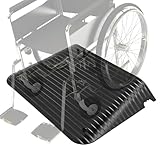
- BUILT FOR SAFE DAILY ACCESS - Made from solid recycled PVC, this wheelchair ramp creates a gentle 4" rise so doorways feel smooth and predictable. Our ramps for mobility scooters and door ramps for wheelchairs remove jolts at everyday entrances.
- NON-SLIP IN ALL WEATHER - The heavy 20.6 kg build keep the threshold ramp stable under wheels and feet. This Street Solutions UK product is trusted as mobility scooter ramps that stay put in rain, reducing worries about sliding or sudden movement.

- 【Foldable Wheelchair Ramp–1.22m】-This lightweight yet durable folding ramp offers reliable access over doorways and steps. When unfolded, it measures 122 x 72 x 6cm, and folds down neatly to 122 x 36 x 7.5cm for easy storage. Crafted from strong aluminium,ideal for electric wheelchairs, mobility scooters, and more. Simply open and it’s ready to use.
- 【Enhanced Safety Features】-Safety comes first with reflective warning strips on both sides for greater visibility, especially in low light. Additional elements like locking pins and sturdy hinges improve the ramp's overall strength and reliability.
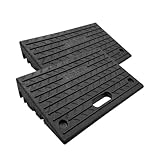
- VERSATILE USE: Suitable for multiple vehicles and mobility devices including cars, motorcycles, wheelchairs, bicycles, strollers, and trolleys
- PORTABLE DESIGN: Heavy-duty construction allows for easy transport and placement wherever needed for temporary or permanent accessibility solutions
- 【Foldable Wheelchair Ramp – 61cm】-This lightweight yet durable folding ramp offers reliable access over doorways and steps. When unfolded, it measures 61 x 72 x 6cm, and folds down neatly to 61 x 36 x 7.5cm for easy storage. Crafted from strong aluminium,ideal for electric wheelchairs, mobility scooters, and more. Simply open and it’s ready to use.
- 【Enhanced Safety Features】-Safety comes first with reflective warning strips on both sides for greater visibility, especially in low light. Additional elements like locking pins and sturdy hinges improve the ramp's overall strength and reliability.

- 【Foldable Wheelchair Ramp – 1.83m】-This lightweight yet durable folding ramp offers reliable access over doorways and steps. When unfolded, it measures 183 x 72 x 6cm, and folds down neatly to 91.5 x 36 x 23cm for easy storage. Crafted from strong aluminium,ideal for electric wheelchairs, mobility scooters, and more. Simply open and it’s ready to use.
- 【Enhanced Safety Features】-Safety comes first with reflective warning strips on both sides for greater visibility, especially in low light. Additional elements like locking pins and sturdy hinges improve the ramp's overall strength and reliability.

- Core Functionality: Designed specifically for sweeping robots, this hill climbing mat enables effortless navigation over small steps and thresholds, improving cleaning efficiency and accessibility within your home environment
- Adjustable Design: the slope ramp can be freely spliced and tailored to fit various doorways or step heights, offering flexible installation options to suit different home layouts and cleaning scenarios
COMMENTS